
The regional automotive landscape is undergoing a monumental shift as global supply chains reorganize around clean energy technology. Thailand has firmly positioned itself at the center of this transformation, successfully securing over $4.1 billion in investment pledges across its comprehensive electric vehicle ecosystem.
Data released by the Thailand Board of Investment highlights a massive capital injection spanning 198 specialized projects, ensuring that the country remains Southeast Asia’s primary manufacturing hub. This deliberate influx of capital addresses everything from battery electric vehicles and advanced hybrid systems to critical component manufacturing and comprehensive national charging networks.
The sudden acceleration of capital into the domestic market comes at a time when multinational automakers are seeking refuge from growing geopolitical instability. By building an all-encompassing regional ecosystem, Thailand provides a highly stable alternative for premium automotive manufacturers looking to diversify their manufacturing footprints. Rather than focusing strictly on one specific type of vehicle, the local regulatory framework actively encourages a multifaceted industrial approach. This comprehensive operational strategy ensures that all major modern propulsion systems can grow concurrently within the same localized supply network.
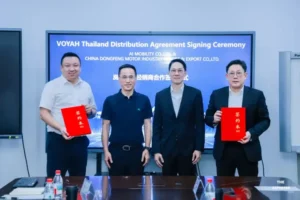
This sophisticated regulatory environment has successfully convinced a diverse array of global automakers to establish localized manufacturing plants within the country. Legacy luxury brands like Mercedes-Benz Manufacturing pioneered local premium electric vehicle production, which subsequently paved the way for an unprecedented wave of major Chinese manufacturers. Industry giants such as BYD, Great Wall Motor, SAIC Motor, and Aion quickly established domestic assembly lines, followed by Changan Auto, EV Primus, Hyundai Mobility, and Omoda & Jaecoo. This massive influx of corporate partnerships highlights how effectively the nation has integrated global brands into a singular, highly collaborative industrial roadmap.
Diversified Supply Strategy Drives Balanced Tech Adoption
Unlike neighboring regional competitors that focus exclusively on pure electric variants, the domestic policy framework deliberately cushions the transition by supporting all major automotive tech categories. This inclusive strategy protects the massive investments previously made by legacy manufacturers while simultaneously providing an open door for disruptive new players. By creating an environment where hybrid systems, plug-in hybrids, and pure battery electric options co-exist, the government has created an incredibly resilient automotive ecosystem. “By supporting all technologies—hybrid, plug-in hybrid, and battery electric—we allow legacy players and new entrants to invest and grow together, elevating Thai suppliers into the global value chain,” explained Mr. Narit Therdsteerasukdi, Secretary General of the Board of Investment and Secretary of the National EV Policy Board.
This balanced multi-technology approach is already demonstrating massive success within the domestic consumer market. Electrified vehicles accounted for over 40% of all new vehicle registrations nationwide, proving that local consumers are adopting clean technology at an incredibly rapid clip. Within this segment, standard hybrids took the lead by capturing 21.8% of registrations, closely trailed by pure battery electric models at 19.6%. This balanced distribution demonstrates that the local consumer base appreciates having a variety of technological options during this major transitional period.
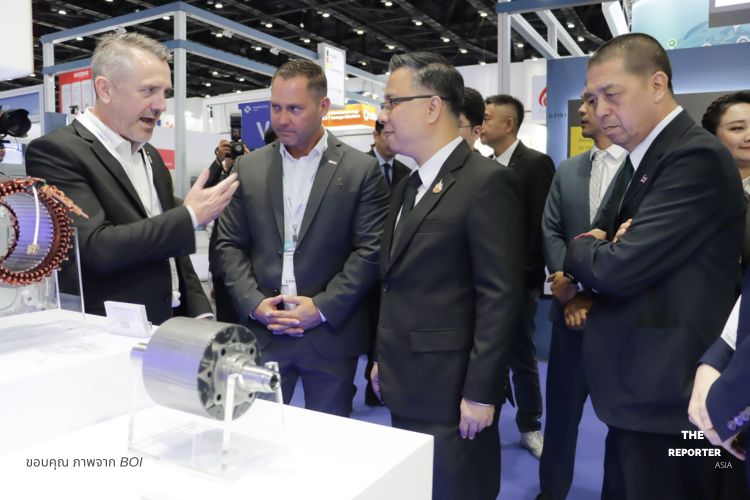
The strategic support for diverse technologies allows traditional parts manufacturers to survive the transition by gradually upgrading their facilities instead of facing sudden obsolescence. This methodology ensures that existing labor forces can be reskilled incrementally, matching the actual purchasing patterns of the market. The approach also protects localized infrastructure from being overwhelmed by a singular, sudden technological shift. By providing a smooth, realistic path forward, the nation has managed to turn a potentially disruptive industrial challenge into a massive economic opportunity.
Deep Capital Distribution Beyond Simple Vehicle Assembly
The massive $4.1 billion pipeline is highly distributed throughout the supply chain, proving that the nation is focused on building a deep industrial foundation rather than superficial assembly plants. Pure battery electric vehicle projects have secured $1.18 billion in capital across 18 distinct initiatives, establishing a massive domestic production capacity of over 370,000 units annually. Simultaneously, hybrid technologies have attracted an equal allocation of $1.18 billion across 14 specialized projects, directly leveraging the long-standing manufacturing legacy of Japanese automakers. This dual focus ensures immediate high-volume manufacturing output while securing long-term technological relevance.
To prevent structural dependence on imported power sources, an additional $1.00 billion has been poured directly into localized battery manufacturing and energy storage systems across 57 distinct projects. This immense investment ensures that the high-value process of battery cell and pack manufacturing happens entirely within domestic borders. Beyond the foundational battery packs, another $373 million has been dedicated to 49 component projects focusing on high-value internal parts. These localized components include advanced drive motors, battery management systems, and specialized power control units that form the technological core of modern transport.
Recognizing that consumer adoption relies entirely on visible infrastructure, the state has directed $292 million toward expanding the nationwide charging network. Spanning 42 separate infrastructure projects, this funding ensures the deployment of more than 22,900 public charging stations across the country. Crucially, this plan includes the installation of more than 10,000 high-speed DC fast chargers, drastically reducing long-distance travel anxiety for local drivers. This meticulous combination of localized component manufacturing, robust battery production, and extensive consumer infrastructure creates an ironclad foundation for sustained industrial growth.
Local Supply Chains Elevate Through Strategic Matchmaking
The massive wave of clean technology investments has already resulted in the direct creation of more than 16,000 high-quality local jobs. To ensure that domestic businesses benefit directly from this international capital, the government has facilitated aggressive industrial matchmaking through 18 specialized “Sourcing Day” events. These intensive business matching sessions have paired more than 800 qualified domestic parts manufacturers directly with incoming multinational automotive corporations. This proactive corporate introduction has successfully resulted in over 1,200 formal business matches, integrating local factories into global distribution networks.
These matchmaking efforts are estimated to generate over $1.79 billion in direct domestic procurement value over the coming years. By forcing multinational brands to source parts locally, the state is effectively transitioning traditional tier-1 and tier-2 parts suppliers into high-tech global vendors. This prevents the local industry from becoming a mere low-wage assembly line, pushing domestic factories to upgrade their technological capabilities. Traditional casting and mechanical stamping shops are transforming into high-tech electronics and precision sensor manufacturers.
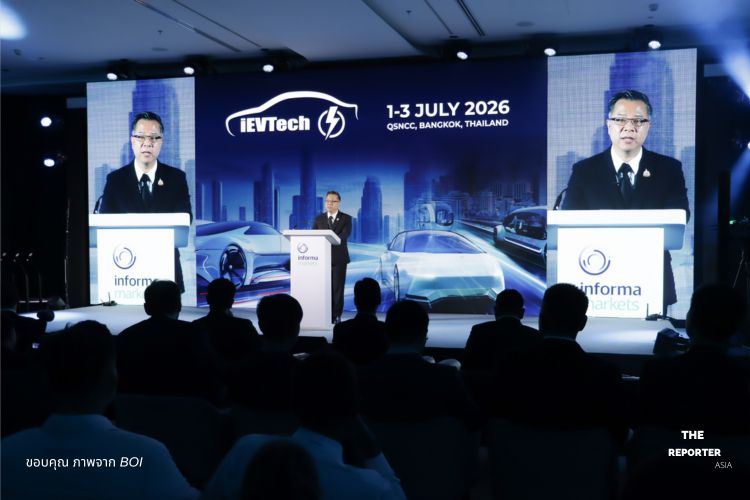
This deep integration of local labor and domestic parts manufacturers lies at the very center of the long-term national economic strategy. The country is deliberately using its historical strengths to anchor these highly mobile international corporations to the local economy. As Mr. Narit Therdsteerasukdi perfectly summarized during the International Electric Vehicle Technology Conference, “Ultimately, we are leveraging sixty years of automotive expertise to position Thailand at the forefront of global mobility. Our goal is to ensure that local industry and local workforce are the ones driving this next chapter of growth.”
#EVInvestment, #ThailandAutomotive, #CleanEnergyTech, #SoutheastAsiaHub, #ElectricVehicles, #HybridTechnology, #SupplyChainDiversification