
In a masterful blend of century-old culinary heritage and modern food technology, the legendary Pad Thai pioneer transforms street food craftsmanship into global ready-to-eat convenience.
Expanding the Culinary Empire From Street Food to Global Kitchens
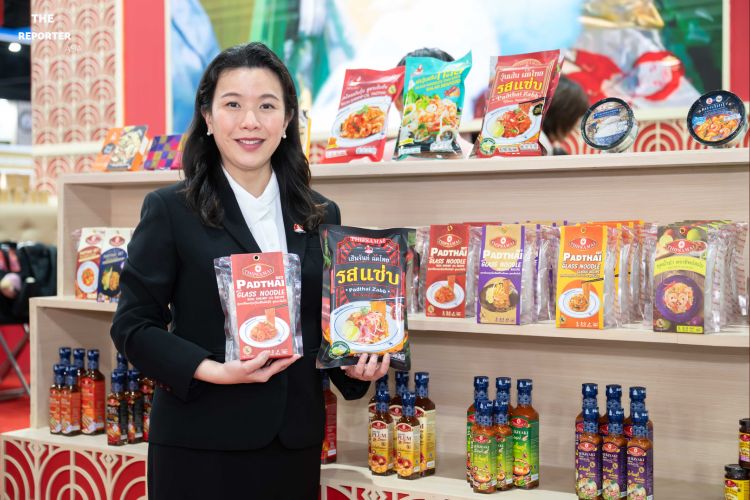
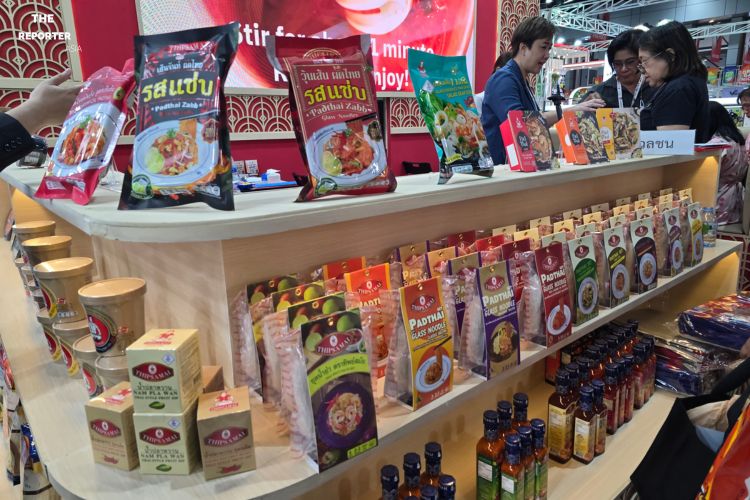
Thipsamai Padthai Pratoopee, a culinary institution embedded in Thailand’s gastronomic history for over 87 years, has officially announced a massive strategic expansion into the international ready-meal sector. Partnering under the strategic alliance “THIPSAMAI x BRAND THAI,” the group has unveiled more than 50 new frozen and ready-made food products at THAIFEX – ANUGA ASIA 2026. This aggressive brand portfolio expansion marks a critical evolution for the traditional brand, transitioning from a localized four-branch restaurant network into a highly standardized, modern food manufacturing enterprise operating on a global scale. By leveraging advanced preservation innovations, the group aims to commoditize authentic Thai street food, rendering complex culinary masterpieces accessible to international supermarkets and households.
The decision to scale up the ready-meal division during an era of global economic uncertainty demonstrates a bold counter-cyclical business strategy. Rather than scaling back operations, Thipsamai is capitalizing on the growing global demand for premium, highly convenient, and culturally authentic ethnic cuisines. The enterprise has systematically engineered its product architecture to serve multiple demographic segments simultaneously, tailoring specific flavor profiles for domestic consumers who prefer bold spices, while moderating profiles to accommodate Western and diverse Asian market preferences. This systematic market diversification acts as a strategic buffer, allowing the brand to capture market share across distinct geographical jurisdictions including Hong Kong, Singapore, South Korea, the Philippines, Europe, and the United States.
Financially, the group maintains a structurally distinct separation between its traditional restaurant operations and its rapidly scaling industrial manufacturing division, which operates under Siam Royal International Co., Ltd. While the brick-and-mortar establishments continue to experience robust domestic demand characterized by consistent customer queues, the manufacturing wing is being positioned as the primary catalyst for long-term exponential growth. Management has deliberately optimized production to prioritize market penetration and long-term ecosystem sustainability over short-term high-profit margins. This deliberate positioning allows Thipsamai to sustain a premium yet accessible pricing model, insulating consumers from macroeconomic shocks while building substantial brand equity overseas.
“We are also expanding Thai cuisine into Frozen Food and Ready Meal products, allowing consumers worldwide to enjoy authentic Thai flavors more conveniently — as if bringing the Thipsamai kitchen directly into their homes.” — Prof. Dr. Thanyanan Baisamut, Vice Chairman of Thipsamai Group and Siam Royal International Co., Ltd.
From Roadside Street Food to Premium In-Flight Aviation Dining
The trajectory of Thipsamai from a humble wartime canal-side stall during World War II into an international symbol of Thai gastronomy exemplifies the operationalization of national soft power. Originating from prime ministerial policies designed to stimulate the domestic consumption of rice-based noodles during economic shortages, the brand pioneered the unique integration of Chantaburi noodles, shrimp paste, and egg wrapping. This precise culinary formula eventually became synonymous with the district of “Pratoopee,” cementing the brand’s legendary status within domestic tourism. The transition to third-generation leadership under Dr. Sikarachat Baisamut has systematically formalized these traditional practices into a rigorous corporate structure.
A primary manifestation of this commercial scaling is the prestigious “Street to Sky” partnership alongside Thai Airways, which elevates street food into premium in-flight catering. Under this aviation program, Thipsamai has deployed a multi-tiered menu strategy tailored to various cabin classes. Economy Class passengers are served traditional varieties like chicken and shrimp Pad Thai, while Business Class and First Class passengers receive premium variations including the highly acclaimed “Pad Thai Saeb” paired with premium ingredients such as jumbo crab lumps and abalone. Additionally, the brand introduces its “Millionaire’s Fried Rice” (Khao Phad Setthee) onto highly competitive Chinese and Asian flight routes, generating significant consumer engagement across digital social platforms.
This aviation placement functions as a highly effective marketing funnel, driving offline traffic directly back to the physical retail establishments. International travelers who sample the brand mid-flight frequently seek out the physical branches upon arrival in Thailand to contrast the frozen aviation variants with the freshly prepared restaurant iterations. To maintain absolute consistency between a stir-fried dish at a street-side stall and a meal rethermalized at 35,000 feet, the company established dedicated proprietary manufacturing plants. These facilities produce centralized, highly uniform sauces governed by standardized operating procedures (SOPs), effectively eliminating the variable elements of individual chef performance and ensuring uniform product delivery across all consumer touchpoints.
Innovation in Food Technology and the Preservation of Authenticity
At the core of Thipsamai’s global scaling model is the implementation of advanced food preservation technologies, specifically “Quick Blasting” cryogenic freezing infrastructure. Traditional freezing methodologies often damage the cellular matrices of delicate starches and proteins, causing noodles to break, lose elasticity, and suffer texture degradation upon reheating. The quick-blasting technique rapidly drives core product temperatures down to sub-zero levels, creating microscopic ice crystals that effectively lock in moisture, nutritional density, natural colorization, and structural texture. Consequently, when a consumer reheats a meal via microwave or pan-frying, the biochemical composition of the starch behaves identically to a freshly prepared dish.
The newly expanded portfolio showcased at THAIFEX 2026 transcends basic noodle dishes, establishing distinct food categories across appetizers, main entrees, and traditional desserts. The appetizer selection introduces innovative crossover items such as Pad Thai spring rolls and an assortment of premium dim sum, ranging from shrimp har gow to specialized lava buns. The entree matrix comprises localized regional noodle dishes, including southern-style Phad Mee Pak Phanang, alongside premium seafood congees utilizing authentic sea bass. The dessert category introduces sweet spring rolls filled with traditional pandan custard and black bean sticky rice, forming a comprehensive, highly scalable culinary ecosystem.
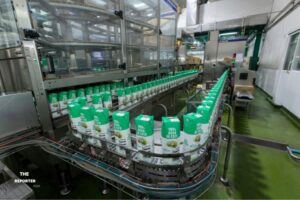
To support this aggressive output, the brand has aligned its manufacturing infrastructure with rigid international safety benchmarks, securing formal certifications for Good Hygiene Practices (GHPs) and Hazard Analysis Critical Control Point (HACCP) systems. This compliance eliminates non-tariff trade barriers, facilitating smoother regulatory approval pathways into stringent Western markets like Europe and the United States. The integration of artisanal culinary craftsmanship with industrial automation enables the group to protect its heritage recipes while meeting the strict quality, hygiene, and logistics requirements of global supply chains.
Navigating Macroeconomic Pressures and International Market Penetration
The current global economic landscape presents substantial supply chain headwind pressures, driven primarily by geopolitical tensions that have elevated international logistics, freight, and raw ingredient costs by approximately 10% to 20%. Despite these rising operational expenses, Thipsamai has maintained a strict price-freezing strategy for both domestic consumers and overseas distributors. By absorbing these margin compressions internally, the brand aims to keep its premium ready-meals highly affordable, optimizing for volume and consumer adoption over near-term profitability. This pricing model relies heavily on collaborative commitments with long-term raw material suppliers who share a mutual focus on market stability.
Export data indicates that international markets currently account for 40% of Thipsamai Group’s aggregate ready-meal revenue, with the remaining 60% driven by domestic supermarket networks and specialized aviation contracts. The international distribution network operates through major retail giants, such as E-Mart in South Korea and Big C in Hong Kong, alongside established distribution frameworks across Singapore and the Philippines. The company is currently finalizing a multi-year entry strategy for the United States and European markets. These long-term trade negotiations often require more than twelve months of continuous product formulation adjustments to ensure absolute compliance with localized agricultural import protocols.
Looking ahead, the group is finalizing structural integration contracts with a prominent, unnamed international retail chain, an operational expansion that is currently 80% complete. Concurrently, domestic product placement continues to expand through premium grocery platforms, including Tops Food Hall, Gourmet Market, and The Mall networks. By combining physical restaurant expansion with an aggressive global retail strategy, Thipsamai is shifting from a localized culinary icon into a highly integrated, technology-driven global food enterprise. This transformation sets a benchmark for the scaling of national culinary traditions into modern international consumer markets.
“Thipsamai is not only a renowned Pad Thai restaurant in Thailand, but we also aspire to be one of the key representatives showcasing the charm and cultural heritage of Thai cuisine to the world through authentic Thai flavors that preserve traditional recipes while remaining accessible, convenient, and relevant to modern consumers under the vision ‘True Authentic Thai Taste to The World.’” — Dr. Sikarachat Baisamut, Chairman of Thipsamai Group and Siam Royal International Co., Ltd.
#Thaifex2026, #Thipsamai, #ThaiSoftPower, #ReadyToEat, #FoodInnovation, #GlobalExpansion, #SiamRoyalInternational, #ThaiAirwaysStreetToSky