


As corporate fatigue intensifies ahead of year-end deadlines, Southeast Asia’s digital travel ecosystem is orchestrating a decisive transition away from infrequent annual leave toward high-frequency, restorative weekend getaways.
The Macro Shift in Modern Travel Economics
The modern corporate landscape has long operated on the assumption that profound physical and mental recovery requires extended annual leave, yet a noticeable change in consumer behavior is challenging this established model. Across major metropolitan centers in Southeast Asia, professionals facing mounting fourth-quarter workloads and urban fatigue are shifting toward frequent, short-duration wellness escapes to maintain equilibrium. Rather than postponing rejuvenation until major national holiday cycles, travelers are embracing the concept of the micro-cation as an essential lifestyle and health maintenance routine. To meet this evolving market demand, digital travel platform Agoda has unveiled its targeted strategic initiative, titled “The Art of the Weekend Reset,” designed to reposition short weekend retreats as the new benchmark for sustainable wellness.
This commercial realignment reflects broader macroeconomic and workplace adjustments, where time constraints and hybrid work schedules prevent employees from committing to prolonged multi-week departures. Instead of enduring months of continuous strain, consumers are redistributing their leisure expenditures evenly across quarterly and monthly calendars, creating consistent, year-round revenue streams for regional hospitality operators. By eliminating the necessity for extensive logistical preparation or supplemental leave requests, quick wellness retreats offer an accessible and highly repeatable mechanism to combat professional burnout. The structural pivot fundamentally changes how digital booking platforms curate localized travel inventories, transitioning from bucket-list international itineraries to immediate, accessible regional wellness solutions.
Akaporn Rodkong, Country Director for Thailand and Indochina at Agoda, emphasized that consumer priorities are undergoing an essential structural transformation that values restorative efficiency over trip duration. “A broader shift is underway in how Thai travelers approach time off: the focus is moving from how many days are available to how well those days are used,” Rodkong noted. “A long holiday should not be the only path to feeling restored. A single weekend, chosen well, can offer that same sense of luxury: time to properly reset the mind. Agoda is committed to making every form of rest matter, with a travel planning and booking experience that stays effortless, wherever that rest may lead”. This perspective underscores a central economic thesis: the luxury of travel is no longer defined strictly by distance or duration, but by the tangible restorative value derived from accessible downtime.
Spiritual Stillness Driving Regional Micro-Tourism
For a significant demographic of domestic travelers, restorative wellness is deeply rooted in seeking mental quietude, spiritual grounding, and reflective environments far removed from the sensory overload of daily corporate life. Heritage sites and spiritual destinations situated within short driving distances of urban hubs have emerged as prime beneficiaries of this trend. By offering serene settings for contemplation, mindfulness practice, and traditional blessings for health and prosperity, these destinations provide rapid decompression without extensive transit overhead. Digital platforms are actively promoting these short-haul corridors to channel urban purchasing power directly into surrounding historical and spiritual epicenters.
Located approximately one hour outside Bangkok, Nakhon Pathom serves as a quintessential micro-escape hub, drawing domestic travelers seeking solitude around one of the country’s most revered sacred stupas. Slightly further along the central plain corridor, the ancient capital of Ayutthaya provides an immersive landscape of centuries-old ruins, where architectural preservation and natural tranquility converge to encourage a deliberate slowing of pace. For urbanites seeking complete separation from holiday crowds, the quieter temple trails of Suphanburi—positioned roughly two hours from the capital—offer expansive, undisturbed spaces that allow visitors to recalibrate their mental focus before stepping back into high-pressure workweeks.
The economic impact of this spiritual micro-tourism extends well beyond platform booking metrics by revitalizing local economies situated just outside tier-one urban clusters. Secondary provincial businesses, artisanal food producers, and local transport networks gain consistent weekend foot traffic, smoothing out the extreme cyclicality typically associated with traditional holiday seasons. By framing cultural and spiritual exploration as an accessible component of functional wellness, travel platforms are expanding the definition of health tourism beyond expensive, clinical retreat centers, making restorative travel an everyday reality for working professionals.
Curiosity-Led Exploration Beyond Traditional Leisure
Wellness tourism is increasingly expanding beyond passive relaxation to encompass cognitive enrichment, where travelers achieve mental renewal through active learning, historical curiosity, and novel cultural engagement. For an expanding cohort of modern professionals, breaking the monotony of corporate routine involves stimulating intellectual exploration and reframing personal perspectives through heritage and science. Digital travel aggregators are tapping into this appetite by packaging regional historical hubs as dynamic weekend getaways capable of providing psychological detachment from professional pressures.
In the northeastern region, Khon Kaen has established itself as an accessible educational and exploratory hub, located just over an hour from Bangkok via commercial air routes. The province offers engaging journeys into prehistoric natural history through its established paleontological museums and renowned fossil discovery sites, transforming standard weekend breaks into enriching expeditions. Simultaneously, the ancient architecture of Buriram, anchored by the iconic Phanom Rung Historical Park, invites travelers to step into centuries of rich regional civilization, where majestic stone sanctuaries offer a profound change of scenery that stimulates creative and mental revitalization.
This intellectual dimension of wellness tourism generates valuable cross-sector economic synergies, bridging regional aviation networks with provincial hospitality and heritage administration. By directing attention toward specialized historical landmarks, digital booking ecosystems diversify tourism distribution and reduce regional economic concentration. The sustained appetite for curiosity-led travel demonstrates that cognitive restoration is becoming a viable consumer vertical, driving recurring flight and accommodation demand to destinations historically overlooked during short holiday cycles.
Urban Sanctuaries and Holistic Body Restoration
Physical restoration remains a cornerstone of the wellness economy, with busy professionals seeking immediate, high-impact therapies such as traditional massage, therapeutic spa treatments, and sound healing to alleviate somatic stress. The growth of urban and peri-urban wellness infrastructure allows consumers to access deep physical rehabilitation without leaving their broader metropolitan perimeter. Bangkok itself has evolved into an accessible urban sanctuary, housing an extensive ecosystem of high-end wellness clinics, traditional healing centers, luxury spas, and guided mindfulness academies catering to demanding corporate schedules.
For travelers seeking physical restoration combined with an immediate change of scenery, adjacent provinces offer convenient access to secluded retreats. Samut Prakan, situated directly on the capital’s perimeter, has quietly established itself as a premier sub-urban wellness corridor, featuring riverside spa properties, holistic bodywork retreats, and traditional massage sanctuaries located mere minutes from corporate centers. This proximity eliminates transit fatigue, enabling executives to undergo intensive therapeutic programs and return to work fully revitalized within a standard two-day window.
For deeper holistic intervention, northern lifestyle destinations like Chiang Mai leverage short commercial air connections to offer full-scale physical and acoustic therapies. Nestled against serene mountain backdrops, Chiang Mai’s wellness sanctuaries combine ancestral northern healing techniques, curated meditation seminars, sound baths, and resonant frequency healing sessions. This comprehensive therapeutic framework provides an intensive mental and physical reboot, proving that specialized health therapies represent one of the fastest-growing and highest-yield sub-sectors within the regional leisure economy.
Cross-Border Micro-Escapes and Regional Integration
The rapid expansion of short-haul regional air networks has effectively dissolved national borders for weekend wellness seekers, integrating neighboring Southeast Asian hubs into the micro-trip ecosystem. When travelers require a total environmental and linguistic detachment to disconnect from domestic stress, regional destinations within a two- to three-hour flight window provide practical solutions. This cross-border mobility allows urban professionals to experience distinct culinary cultures, architectural styles, and temperate microclimates without consuming substantial annual leave allowances.
Penang, Malaysia, accessible via a two-hour flight, presents a model international weekend retreat, combining UNESCO-listed heritage architecture, tranquil coastal air, and a celebrated multicultural culinary landscape. The island’s relaxed urban pace and walkable historic enclaves offer a natural counterbalance to high-density metropolitan life, enabling visitors to decompress through unhurried exploration. The ease of short-haul international travel ensures that overseas getaways function as seamless, repeatable weekend resets rather than major annual undertakings.
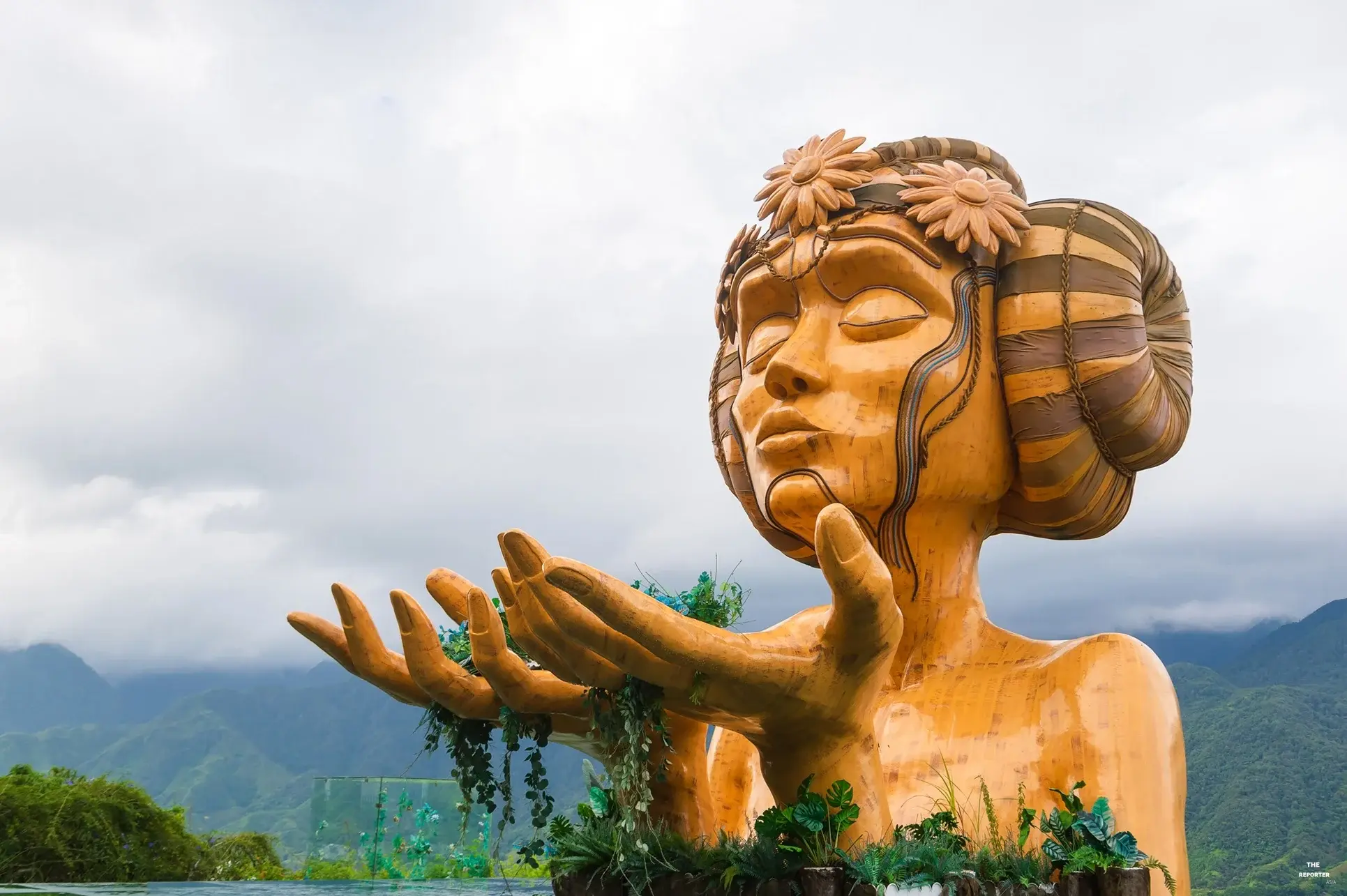
Further north, the cooler elevations and distinct ambiance of Hanoi and the picturesque highland town of Sapa in Vietnam deliver an immediate environmental reset. With mist-covered valleys, authentic local cultural traditions, and temperate weather, northern Vietnam provides an immersive sanctuary for travelers looking to escape equatorial heat and urban intensity. The continued growth of these cross-border wellness corridors highlights how Southeast Asia’s integrated aviation infrastructure is fostering an agile leisure economy centered on rapid, high-yield regional connectivity.
Digital Platform Strategy and Consumer Monetization
To support and capitalize on the acceleration of high-frequency wellness travel, platform operators are deploying comprehensive digital ecosystems designed to eliminate booking friction across accommodations, flights, and activities. Agoda’s infrastructure reflects this operational scale, providing global consumers with frictionless access to more than 6 million holiday properties, over 130,000 commercial flight routes, and approximately 300,000 bookable destination experiences. By consolidating these disparate travel components into unified mobile interfaces, platforms empower busy consumers to assemble tailored wellness itineraries in a matter of minutes.
Direct promotional campaigns serve as the economic catalyst to convert consumer interest into tangible bookings, particularly during transitional seasonal windows. Under its flagship August Mega Sale campaign running from 17 to 31 August, Agoda has introduced commercial incentives offering up to 60 percent discounts on accommodation bookings worldwide. These aggressive pricing structures lower the barrier to entry for micro-trips, encouraging price-sensitive consumers to test localized wellness concepts before peak travel seasons commence.
The convergence of algorithmic travel matching, scalable platform inventory, and strategic discount pricing marks a permanent evolution in Southeast Asian leisure consumption. As workplace demands continue to challenge traditional vacation frameworks, the economic engine of regional travel will increasingly depend on the steady cadence of weekend wellness getaways. Platforms that successfully curate effortless, restorative micro-trips are strategically positioned to capture sustainable, recurring market share in the modern experience economy.
#Agoda #TheArtOfTheWeekendReset #WellnessTravel #MicroCation #TravelEconomy #TourismTrends #HospitalityIndustry #DigitalTravel #SoutheastAsiaTravel #AugustMegaSale