
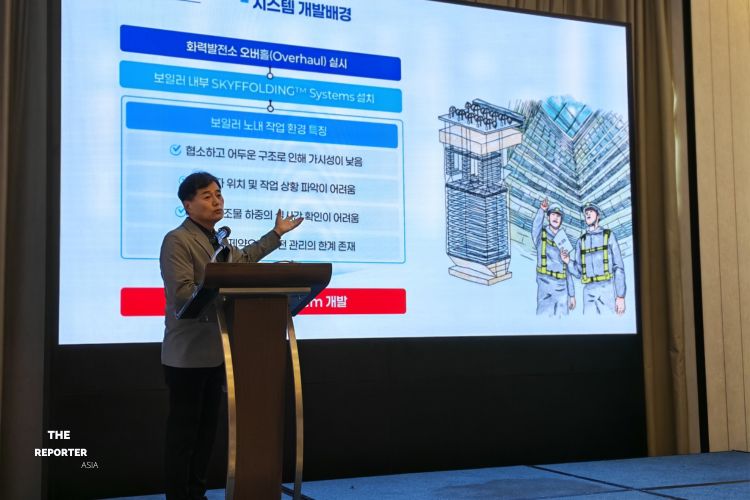
In a landmark move for industrial safety, KLES Inc. has unveiled its revolutionary Safety Plus System at the 2026 Robot SME Thailand K-AI·ROBOT Technology Roadshow, offering an integrated solution to mitigate high-risk hazards within the cramped and dark environments of thermal power plant boilers. By combining advanced sensor technology with real-time monitoring, the South Korean innovator aims to redefine the safety protocols of energy infrastructure maintenance across the Southeast Asian region.
Navigating the Perilous Vertical Frontiers of Power Infrastructure
The maintenance of thermal power plants presents one of the most daunting challenges in the industrial sector, characterized by environments that are as physically demanding as they are dangerous. Within these facilities, coal-fired boilers often reach heights equivalent to a 33-story building, creating a massive, hollow vertical space that must be inspected and repaired annually. During these critical month-long maintenance periods, hundreds of workers navigate complex scaffolding systems in near-total darkness, where the risks of structural failure or falls are ever-present and difficult to manage through traditional oversight.
Historically, there has been no reliable method to verify the internal integrity of these massive boiler structures or the safety of the scaffolding (SKYFFOLDING) once it is erected deep within the furnace. The lack of visibility and the sheer scale of the equipment mean that potential structural abnormalities often go undetected until a crisis occurs. This “blind spot” in industrial maintenance has long been a primary concern for plant operators who must balance the urgent need for power generation with the absolute necessity of protecting their workforce.
Recognizing this critical gap, KLES Inc. developed the Safety Plus System to act as a digital guardian for those working in these extreme conditions. By focusing on the specific constraints of thermal power plants—namely the cramped spaces and low visibility—the system provides a comprehensive safety net that traditional manual inspections simply cannot match. This technology represents a shift from reactive safety measures to a proactive, data-driven approach that ensures every person on-site is accounted for and protected by real-time intelligence.
The Architecture of Intelligence: Safety Plus and SKYFFOLDING
At the heart of KLES’s innovation is the seamless integration of hardware and software designed to monitor the structural health of scaffolding in real-time. The Safety Plus System utilizes high-precision sensors to measure the weight distribution and structural deformation of the SKYFFOLDING modules. If the weight exceeds safe limits or if the system detects even the slightest tilt or abnormality in the structure, an immediate alarm is triggered to alert both the workers inside and the supervisors outside. This instantaneous feedback loop is crucial in an environment where seconds can mean the difference between a routine adjustment and a catastrophic accident.
Beyond structural monitoring, the system incorporates advanced worker status modules that track the location and well-being of personnel within the boiler. In the 33-story darkness of a power plant furnace, keeping track of every individual is a logistical nightmare; however, the Safety Plus System automates this process, ensuring that the number of people remaining on the lines is always known and verified. This multi-layered approach addresses both the mechanical stability of the workplace and the individual safety of the human beings operating within it, creating a holistic safety ecosystem.
The technical prowess of the Safety Plus System has been validated through rigorous application in South Korea’s most demanding energy environments. The technology has achieved a remarkable nearly 100% adoption rate among South Korea’s five major public power companies and numerous private power plants. This widespread acceptance serves as a testament to the reliability of the system’s sensors and its ability to operate effectively in the harsh, dusty, and high-heat conditions typical of coal-fired power plants before they are fully cooled for maintenance.
A Vision for Global Industrial Safety Standards
During the 2026 Robot SME Thailand K-AI·ROBOT Technology Roadshow, the executive leadership of KLES Inc. emphasized that their mission transcends mere equipment manufacturing. The company views itself as a pioneer in the “K-AI” movement, exporting South Korea’s high safety standards to the global stage. By participating in the Thai roadshow, KLES is positioning its Safety Plus System as an essential upgrade for Southeast Asia’s aging energy infrastructure, where safety protocols are increasingly coming under the scrutiny of international ESG (Environmental, Social, and Governance) standards.
The economic implications of adopting such technology are significant for power plant operators. While the primary goal is the preservation of life, the Safety Plus System also reduces the likelihood of costly maintenance delays and structural damages that can arise from scaffolding failures. By providing a clear, real-time digital twin of the internal maintenance environment, plant managers can optimize their workflows, reduce the time required for safety checks, and ensure that the month-long maintenance window is utilized with maximum efficiency and zero accidents.
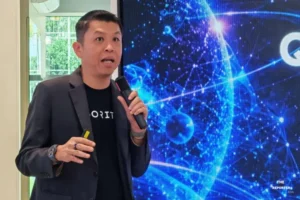
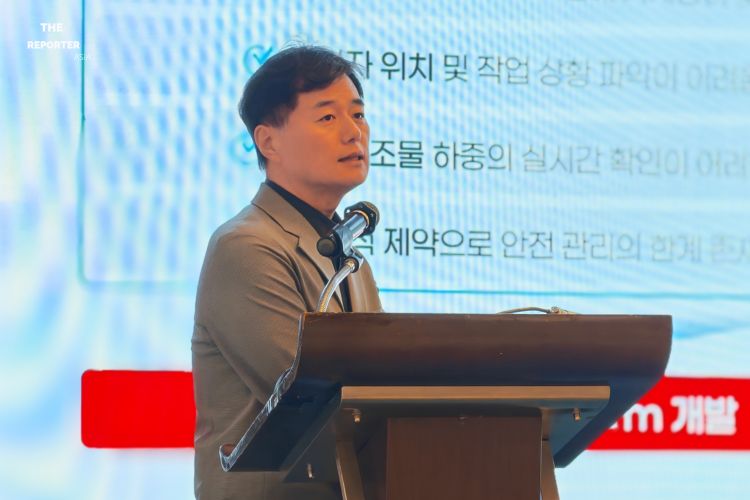
“Our Safety Plus System provides real-time monitoring of boiler scaffolding status to ensure that workers operating in dangerous, high-altitude environments remain fully protected at all times,” stated Sunyoung Cho, President of KLES Inc., during the technology presentation.
The Future of AI-Driven Maintenance in the Energy Sector
As the global energy sector moves toward smarter, more automated operations, the role of AI and robotics in maintenance becomes increasingly central. The Safety Plus System is a prime example of how specialized AI can be applied to solve “dull, dirty, and dangerous” tasks that have plagued the industry for decades. The integration of these smart systems allows for a level of oversight that was previously impossible, transforming the dark, 33-story void of a boiler into a transparent, monitored, and controlled workspace where data guides every movement.
The partnership between South Korean tech innovators like KLES and the Thai industrial sector signals a new era of cross-border collaboration in the K-AI and robot industries. Thailand’s commitment to upgrading its industrial safety and adopting smart factory technologies makes it an ideal market for KLES’s specialized solutions. As the roadshow concludes, the interest from local energy providers suggests that the “Safety Plus” standard may soon become a mandatory requirement for power plant maintenance across the ASEAN region, setting a new benchmark for worker protection.
In conclusion, the Safety Plus System by KLES Inc. represents more than just a technological upgrade; it is a moral imperative realized through engineering. By shining a digital light into the darkest corners of our power infrastructure, KLES is ensuring that the people who keep our world powered can return home safely every day. The success of this system in South Korea, combined with its debut in Thailand, marks a significant milestone in the journey toward a future where industrial accidents are a relic of the past, replaced by the tireless vigilance of intelligent safety systems.
#KLES #K-AI #RobotSMEThailand2026 #IndustrialSafety #PowerPlantTech #SmartScaffolding #SafetyPlusSystem #SouthKoreaTech #IndustrialAutomation #EnergySectorSafety