
In a groundbreaking circular economy move, medical pioneer Vantive collaborates with Kasetsart University’s Scrap Lab to upcycle tons of plastic medical waste into community-driven wealth.
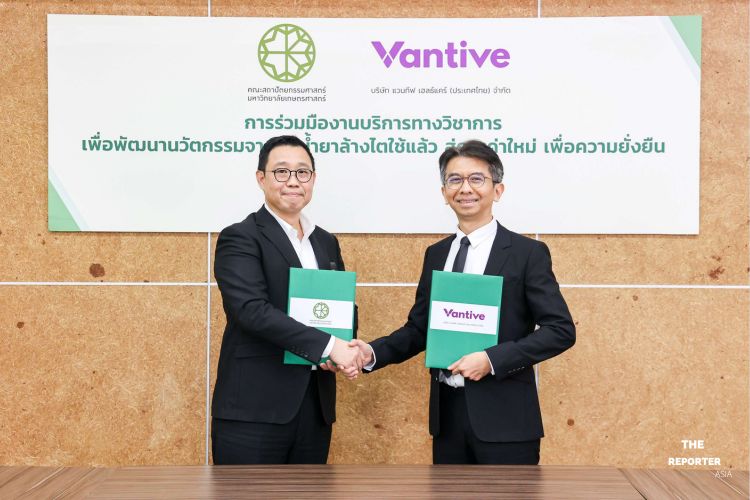
The landscape of healthcare sustainability in Thailand is witnessing a transformative shift as Vantive Healthcare (Thailand) Co., Ltd., a vital organ therapy global pioneer with a 70-year legacy in kidney care innovation, officially joins forces with the Faculty of Architecture at Kasetsart University. This strategic partnership, spearheaded alongside the university’s Scrap Lab and the innovative Scrap Shop project, introduces a comprehensive upcycling model focused entirely on converting used peritoneal dialysis bags into valuable commercial products. Designed specifically to address the mounting ecological pressures of medical waste management, the collaborative program establishes a closed-loop system that extracts value from materials that would otherwise permanently degrade the local ecosystem.
The primary execution of this sustainability initiative centers around the collection and strategic recycling of empty plastic dialysis solution bags from chronic kidney disease patients undergoing home-based peritoneal dialysis treatments. By shifting the destination of these high-grade plastic materials away from traditional municipal landfills, the project successfully addresses an overlooked environmental loophole while simultaneously opening up substantial economic pathways for local communities. Through the integration of localized collection and preparation systems, the joint venture bridges the gap between specialized medical manufacturing and grassroots economic development.
“This collaboration is more than just managing medical waste but creating an ecosystem that creates value in many aspects, including reducing the amount of plastic waste, supporting circular economy principles, and creating income generation opportunities for patients and people in the community.” — Pharmacist Krisda Kirasamuttranon, Country Head, Thailand, Vantive Healthcare (Thailand) Co., Ltd.
At its core, this project addresses a critical and escalating public health and environmental crisis within the Southeast Asian region. Thailand currently ranks fifth globally in the prevalence of kidney disease cases, a statistic that underscores a massive, ongoing demand for life-sustaining home-based therapies. Because home-based peritoneal dialysis offers patients unparalleled lifestyle freedom and drastically reduces the systemic burden on hospital infrastructure compared to traditional hemodialysis, its usage is rising rapidly. This necessary therapeutic shift, however, brings an unavoidable ecological byproduct: a massive, continuous volume of single-use plastic waste that demands immediate, highly structured circular solutions.
Redefining Medical Waste Through Advanced Circular Design
The environmental footprint of renal care in Thailand is immense, with estimates indicating that dialysis-related treatments generate approximately 4,000 tonnes of plastic waste each consecutive year. These single-use fluid bags, which are critical for the sterile delivery of dialysis solutions, have historically been treated as standard medical refuse destined for landfills or incineration due to the complexities of clinical waste sorting. This initiative actively rewires that trajectory by recognizing that these specialized bags are actually comprised of pristine, medical-grade plastics that possess exceptional structural properties ideal for secondary industrial and commercial applications.
“Sustainability is one of the ways we aim to strengthen our role as a local manufacturer of home-based peritoneal dialysis in Thailand to create social innovations that benefit people, the environment and maintain the safety and quality of the product. We are proud to launch this new project which is intended to help reduce the amount of medical waste, as well as generate income for the community, and advance a more circular approach to plastic waste management.” — Mr. Paul Uthaichalanond, Cluster General Manager, Thailand, Malaysia, and Vietnam, Vantive
The engineering and design foundation of the project relies heavily on the technical expertise of Associate Professor Dr. Singh Intrachooto, the Head of Scrap Lab at Kasetsart University, and his dedicated academic research team. The research group successfully pioneered the technical methodologies required to safely clean, deconstruct, and repurpose the empty peritoneal dialysis solution bags. Their testing revealed that the material is exceptionally durable, remarkably strong, and features a unique soft texture, making it an elite candidate for high-value upcycling into functional, retail-ready lifestyle products rather than low-grade downcycled plastic aggregate.
By transforming these resilient polymers into structural consumer goods, Scrap Lab and Vantive are demonstrating a tangible implementation of circular economy frameworks within the high-barrier medical industry. The program demonstrates that medical-grade plastics can be diverted into commercial production streams safely and efficiently, setting a brand-new benchmark for institutional waste management. The resulting products serve as visible evidence that cross-sector alignment between corporate medical entities and academic design labs can turn a national waste liability into a functional asset.
Empowering Patients and Uplifting Local Communities
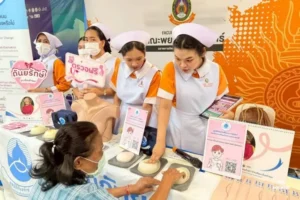
Beyond its profound environmental impacts, the upcycling framework is deliberately structured to serve as an active engine for social innovation and localized economic growth. The logistical blueprint of the project requires the establishment of collection mechanisms to gather used dialysis bags directly from patients operating within the Vantive care network. This decentralized collection system involves training patients, care teams, and local community members on proper handling and sorting techniques, thereby fostering a shared cultural ethos of environmental stewardship and social responsibility.
Once collected, the medical-grade plastics undergo a rigorous preparation process that generates immediate employment opportunities for individuals within vulnerable local communities and patient families. Local workers are employed to handle, wash, and precisely cut the materials, ensuring they meet the exact specifications required by Scrap Lab’s advanced product designers. This deliberate localization of the processing pipeline provides stable, recurring income streams for communities, transforming the management of a chronic illness into a source of community financial resilience.
This dual focus on environmental remediation and community wealth generation underscores Vantive’s broader corporate philosophy regarding regional manufacturing sustainability. By investing in the human infrastructure necessary to power this circular economy, the corporation expands its impact far beyond the traditional delivery of medical devices and therapeutics. The project elevates the total socio-economic value of the healthcare ecosystem, showcasing a model where corporate social responsibility is deeply integrated into the macroeconomic fabrics of the markets they serve.
Executing Regional Visions for Long-Term Sustainability
The rollout of this upcycling initiative in Thailand aligns with a broader, highly decorated sustainability push by Vantive across the Southeast Asian healthcare sector. The company’s innovative approaches to corporate circularity have already garnered prestigious regional accolades, including Vantive Malaysia’s recognition at the Asian Experience Awards 2025 and receiving the Green Pharma Innovation Award for their pioneering “Bring Dialysis Bags” project. This established track record provides a solid foundation of operational expertise that ensures the newly launched Thai initiative is built to scale efficiently and sustainably over the long term.
The strategic significance of this project is further elevated by Vantive’s unique position as a major local manufacturer of home-based peritoneal dialysis therapies in Thailand. This local manufacturing presence grants the company unparalleled agility to adapt its supply chains, patient networks, and corporate resources to support complex environmental ecosystems. By combining local manufacturing insights with world-class academic design, the partnership is uniquely positioned to continually expand the volume of recovered plastics, systematically shrinking the medical sector’s carbon and waste footprint year after year.
Looking ahead, both Vantive and Kasetsart University’s Scrap Lab view this initial launch as the foundation of a long-term, scalable alliance. The partners aim to continuously optimize the recovery systems, introduce advanced digital tracking metrics, and diversify the range of upcycled commercial goods produced from the dialysis waste streams. By driving continuous innovation at the intersection of vital organ therapy and environmental engineering, the collaboration is successfully mapping out a highly sustainable future for the global healthcare industry.
“Designing for the environment is not just about reducing waste. It is about recognizing new potential in materials that are often overlooked. Dialysis bags are made from high-quality plastic with characteristics that make them suitable for reuse. Through upcycling, used dialysis bags can be transformed into value-added products in a more resource-efficient way, while generating positive environmental, economic, and social outcomes.” — Associate Professor Dr. Singh Intrachooto, Head of Scrap Lab, Faculty of Architecture, Kasetsart University
#CircularEconomy, #MedicalUpcycling, #VantiveSustainability, #KasetsartUniversity, #ScrapLab, #GreenHealthcare, #EcoInnovation, #CommunityWealth