
For entrepreneurs and established corporations alike, navigating the bureaucratic labyrinth of government licensing is a critical, yet often fraught, step in business operations. However, a pervasive and deeply corrosive undercurrent of bribery is turning this procedural necessity into a significant economic barrier, creating a vicious cycle that undermines fair competition, deters investment, and ultimately cripples national economic potential. This “hidden tax” of corruption is more than a moral failing; it’s a strategic threat to sustainable growth.
In the competitive world of modern commerce, speed, efficiency, and predictability are the currencies of success. Businesses invest heavily in optimizing supply chains, innovating products, and capturing market share. Yet, for many, the most significant and unpredictable hurdle lies not in the marketplace, but in the halls of government agencies responsible for issuing the licenses and permits that are the very lifeblood of their operations. What should be a straightforward, transparent process of regulatory compliance has, in many sectors, devolved into a breeding ground for corruption, imposing a silent but substantial cost on the entire economy.
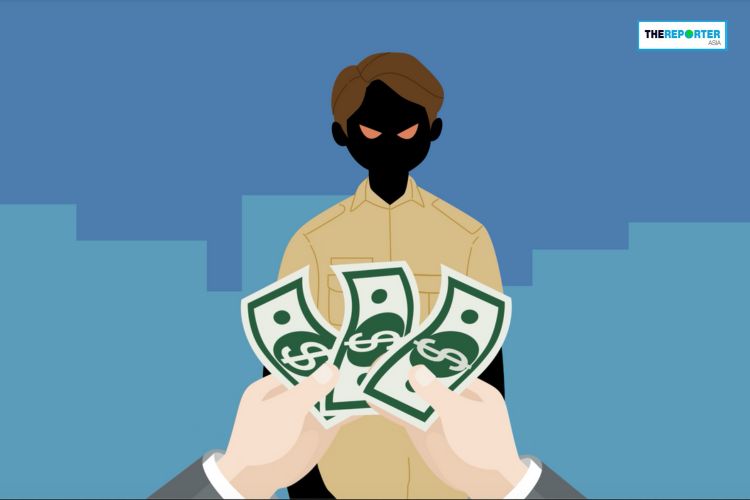
This systemic issue, often sanitized with euphemisms like “facilitation fees” or “expediting payments,” is, in stark terms, bribery. It represents a fundamental breakdown in governance, where the discretionary power vested in officials is leveraged for personal gain, creating an illicit market for regulatory approval. The problem is rooted in overly complex, opaque, and lengthy procedures that grant individual officials immense control over the fate of a business venture. This structural flaw provides fertile ground for corruption to take root, transforming a public service into a private tollgate.
The Anatomy of the Bribery Cycle: A Business Perspective
For a business, the encounter with this cycle often begins with unexplained delays. An application for a construction permit, an import/export license, or an environmental clearance sits pending for weeks, then months, with no clear feedback or timeline for resolution. This operational paralysis translates directly into financial losses: capital is tied up, contracts are jeopardized, and market opportunities are missed.
It is in this climate of frustration and uncertainty that the demand for a bribe typically emerges, sometimes overtly, but more often through subtle suggestions. An official might hint that the application has “complications” that could be “smoothed over,” or that a “special processing fee” could move it to the top of the pile. For a business owner under immense financial pressure, paying the bribe can feel like a pragmatic, albeit distasteful, solution—a cost of doing business necessary to break the bureaucratic logjam.
However, this seemingly simple transaction is the first step in a damaging, self-perpetuating cycle. When a business pays a bribe, it sends a powerful market signal: corruption works. This normalizes the practice, creating an expectation among other officials that bribes are standard procedure. It simultaneously penalizes honest entrepreneurs who refuse to participate, placing them at a severe competitive disadvantage. Their projects remain stalled while less scrupulous competitors, who have paid the illicit “tax,” move forward. Over time, the market begins to select not for the most innovative or efficient businesses, but for those most willing to engage in corrupt practices.
Quantifying the Economic Fallout: Beyond the Balance Sheet
The direct cost of the bribe itself is often just the tip of the iceberg. The broader economic consequences are far-reaching and profoundly damaging.
- Deterioration of Investment Climate: Foreign and domestic investors crave stability and the rule of law. A business environment rife with corruption is inherently unpredictable and high-risk. It erodes trust in public institutions and adds a significant layer of unquantifiable risk to any investment calculation. This reputational damage can be seen in lower rankings on global indices like the World Bank’s “Ease of Doing Business” report and Transparency International’s “Corruption Perception Index,” directly influencing Foreign Direct Investment (FDI) inflows.
- Distortion of Fair Competition: A level playing field is the bedrock of a healthy market economy. Bribery shatters this foundation. It allows unqualified or inefficient companies to win contracts and obtain licenses, while competent and ethical businesses are sidelined. This leads to a misallocation of resources, reduced innovation, and a decline in the overall quality of goods and services available in the economy.
- Increased Operational Costs and Inefficiency: The “corruption tax” is ultimately passed on to consumers in the form of higher prices. Furthermore, it incentivizes poor decision-making. A company that secures a construction permit through a bribe may be more inclined to cut corners elsewhere—using substandard materials or ignoring safety protocols—to recoup the illicit payment. This not only introduces public safety risks but also leads to long-term economic liabilities.
From Unsafe Buildings to Depleted Resources: The Tangible Consequences
The abstract economic damage caused by licensing bribery manifests in very real and dangerous ways. In the construction sector, one of the most frequently cited areas for this form of corruption, bribes are often paid to bypass crucial environmental impact assessments, ignore zoning regulations, or fast-track approvals for projects that do not meet safety standards. The result is a legacy of unsafe buildings, inadequate infrastructure, and urban planning disasters that pose a direct threat to public safety and incur massive future costs for remediation.
Similarly, in natural resource industries, the consequences are devastating. Consider coastal economies dependent on fishing. When fishing licenses are granted in exchange for bribes, it often allows recipients to circumvent quotas, ignore protected zones, and use destructive fishing methods. This leads to the rapid depletion of marine ecosystems, threatening the long-term sustainability of the entire industry and the livelihoods of countless communities that depend on it. These are not isolated incidents; they are the direct and predictable outcomes of a system where regulatory integrity has been compromised for private gain.
A Systemic Response: The “Together Against Bribery” (TaB) Initiative
Recognizing the gravity of this threat, the Office of the National Anti-Corruption Commission (ONACC) is spearheading a comprehensive effort to dismantle this cycle of corruption. Its “Together Against Bribery” (TaB) initiative aims to move beyond reactive enforcement and address the root causes of the problem through a multi-pronged strategy. This includes streamlining and digitizing licensing procedures to reduce human discretion, strengthening oversight mechanisms, and promoting a culture of integrity through public awareness campaigns.
However, the ONACC emphasizes that institutional reform alone is insufficient. The success of this initiative hinges on the active participation and commitment of all stakeholders—most notably, the business community itself.
The Role of the Private Sector: A Call for Corporate Integrity
For the business community, breaking the cycle of bribery is not just an ethical imperative; it is a matter of strategic self-interest. A transparent, predictable, and fair regulatory environment is one in which all businesses can thrive. The private sector can be a powerful force for change by taking the following steps:
- Adopting a Zero-Tolerance Policy: Businesses must establish and enforce clear, unequivocal anti-corruption policies internally. This includes training employees to recognize and reject solicitation for bribes and creating secure channels for reporting such incidents without fear of retaliation.
- Championing Collective Action: Industry associations and business chambers can play a pivotal role by creating “integrity pacts,” where member companies collectively pledge to abstain from bribery. This creates a united front that makes it harder for corrupt officials to single out individual businesses.
- Demanding Transparency and Reform: The business community has a powerful voice that can be used to advocate for regulatory reform. By lobbying for simpler, faster, and more transparent digital licensing processes, businesses can help eliminate the very conditions that allow corruption to flourish.
Ultimately, the decision to pay a bribe is a short-term fix that contributes to a long-term disease. Rejecting both the giving and taking of bribes is the only way to build an economic ecosystem based on merit, not manipulation. When entrepreneurs, executives, and public officials unite under a shared commitment to integrity, transparency ceases to be an aspiration and becomes the operational standard.
Be the eyes and ears of the business community. Report suspicious activities and demands for illicit payments to the ONACC. By working together, we can dismantle this silent threat and forge a prosperous future built on a foundation of trust, fairness, and the rule of law.
#EconomicGrowth #AntiCorruption #BusinessEthics #CorporateGovernance #InvestmentClimate #Transparency #RuleOfLaw #ONACC #TogetherAgainstBribery #SustainableDevelopment #FairCompetition