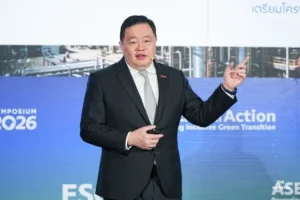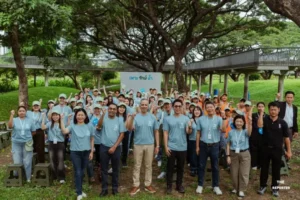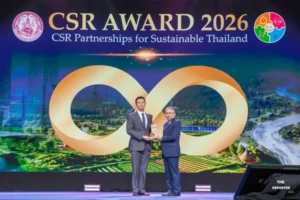


Thailand’s digital leader AIS, retail giant Central Group, and Japan Airlines (JAL), which recently concluded an intensive learning journey to Japan. This initiative, designed to bridge the gap between consumer behavior and industrial-scale recycling, took winners of the “Drop E-Waste Fast, Fly to Japan Free” contest to witness the world’s most advanced electronic waste management systems. By connecting Thai disposal points with Japanese technical expertise, the partnership establishes a blueprint for how cross-border cooperation can solve one of the digital era’s most pressing economic and environmental challenges.
The “Drop E-Waste Fast, Fly to Japan Free” campaign was not merely a contest but a calculated effort to mobilize the Thai public toward a more sustainable digital future. With over 159 creative video submissions and a staggering 3.5 million views nationwide, the campaign demonstrated a high level of public readiness to engage with environmental issues. The winners were afforded an exclusive opportunity to track the journey of discarded electronics from collection boxes in Thailand to high-tech smelting facilities in Japan, providing a level of transparency rarely seen in waste management. This narrative-driven approach to sustainability is a key driver in fostering the long-term behavioral changes necessary for a successful circular economy.
This strategic alliance reflects a sophisticated understanding of the modern “Urban Mining” economy, where discarded devices are no longer viewed as trash but as reservoirs of high-value materials. By leveraging Central Group’s vast retail footprint as collection points and AIS’s digital infrastructure as a management hub, the project ensures that e-waste is channeled into a professional, transparent recycling stream. The inclusion of Japan Airlines further adds a layer of global logistics and commitment to carbon neutrality, showcasing a holistic model that other ASEAN nations and international partners can look to as a benchmark for sustainable development. This is the beginning of a new era where Thai businesses align themselves with world-class standards to attract global green investments.
The Strategic Triad Revolutionizing Thailand’s Green Digital Infrastructure
The synergy between AIS, Central Group, and Japan Airlines represents more than just a marketing campaign; it is a structural innovation in how Southeast Asian nations can approach the circular economy. AIS, acting as the “Cognitive Tech-Co,” provides the digital backbone through the “AIS HUB of E-Waste,” a platform designed to manage electronic waste under the strict “Zero E-Waste to Landfill” principle. This technological approach allows for the tracking and responsible handling of waste, ensuring that every piece of hardware collected is accounted for and processed without environmental damage. For international partners, this creates a transparent data-driven environment that is highly attractive for ESG-focused investment and green technology collaborations.
Central Group complements this digital infrastructure by providing the physical accessibility required for mass-scale environmental action. By placing over 42 collection points in high-traffic shopping centers across Thailand, Central Group effectively integrates waste management into the daily lives of consumers. This strategy aligns with their broader “Love The Earth – ZERO WASTE NOW” initiative, which targets a 30% reduction in landfill waste by 2030 and a total move toward “Zero Waste to Landfill” by 2050. This massive retail network acts as a gateway for global recycling firms seeking a reliable and high-volume source of materials in the region, positioning Thailand as a central node in the global recycling supply chain.
Japan Airlines (JAL) completes the triad by providing the international bridge and a commitment to sustainable logistics. JAL’s participation is driven by its own rigorous environmental targets, including achieving carbon neutrality by 2050 and increasing the use of Sustainable Aviation Fuel (SAF) to 10% by 2030. By modernizing its fleet with aircraft like the Airbus A350 and Boeing 787, JAL is lowering the carbon footprint of the very logistics involved in these international learning journeys. This partnership highlights an opportunity for foreign aviation and logistics companies to partner with Thai firms on SAF production and green transport solutions, as the region moves toward more stringent international environmental regulations.
Unlocking Hidden Value Within Japan’s World Class Electronic Recycling Ecosystem
The learning journey centered on the facilities of Dowa Holdings, specifically Eco Recycle and Kosaka Smelting & Refining, which represent the pinnacle of Japanese electronic waste management. Eco Recycle serves as the primary processing hub where various types of e-waste are meticulously dismantled under Japan’s rigorous regulatory framework. This facility demonstrates the economic efficiency of manual and automated dismantling, which maximizes the recovery rate of reusable components before the remaining materials move to the smelting stage. For Thai industries, observing this model provides a roadmap for developing localized high-standard dismantling facilities that can feed into global smelting networks.
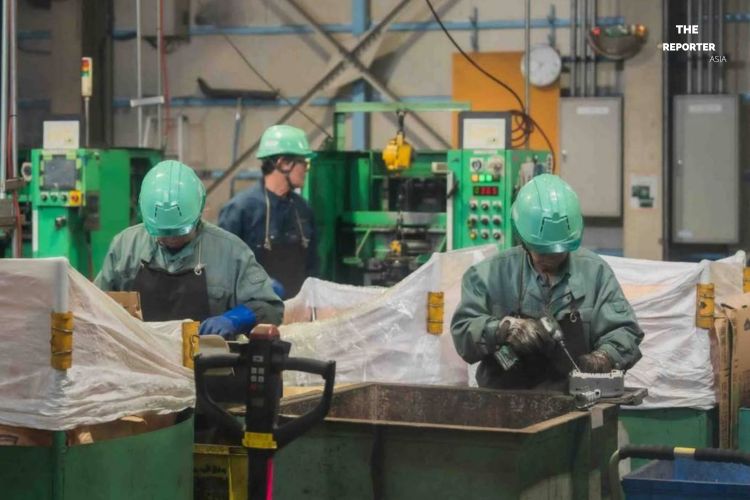
The technological highlight of the tour was the visit to Kosaka Smelting & Refining, one of only three facilities worldwide capable of extracting over 20 types of precious metals from electronic components. This facility specializes in the extraction of gold, silver, and copper from complex materials like printed circuit boards found in mobile phones. The ability to recover these high-value materials is the economic engine of the circular economy, turning environmental protection into a profitable industrial sector. This level of expertise is a prime target for technology transfer and joint venture opportunities between Japanese heavy industries and Thai companies looking to upgrade their domestic recycling capabilities.
The visit also introduced the Thai delegation to the “Zero E-Waste to Landfill” management standard, a rigorous protocol that ensures waste is handled responsibly at every stage. This standard is crucial for preventing the leakage of hazardous substances like lead, mercury, and cadmium into the environment, which poses significant risks to public health and local ecosystems. By adopting these international standards, Thai companies can mitigate the risks associated with hazardous waste and align themselves with the European Union’s and other global markets’ strict import regulations regarding recycled materials. This alignment is a significant competitive advantage for Thai businesses seeking to enter the global green commodity market.
Redefining the Circular Economy Through Integrated National Management Models
The collaboration between these three giants has effectively created a “national model” for the circular economy in Thailand, connecting consumers directly to world-class recycling infrastructure. This model addresses the traditional fragmentation of waste management by unifying collection, logistics, and processing under a single, transparent umbrella. For foreign observers and investors, this demonstrates that Thailand is capable of scaling complex, cross-sector sustainability initiatives that meet international benchmarks. It also opens doors for international environmental consultancy firms and technology providers to integrate their solutions into this burgeoning national ecosystem.
A critical component of this model is the “Sustainability Learning Experience,” which moves beyond theoretical education to provide physical proof of impact. When participants see their discarded phones being transformed back into raw gold and copper, the abstract concept of a circular economy becomes a tangible reality. This experiential approach is essential for building the corporate and public trust necessary to scale the “AIS HUB of E-Waste” across the country. As this trust grows, the volume of high-quality, pre-sorted e-waste will increase, creating a reliable feedstock for industrial-scale recycling and further attracting international players in the “urban mining” sector.
Central Group’s commitment to resource efficiency through the 3R+1R principle (Reduce, Reuse, Recycle + Redesign) serves as the operational heart of this national model. By elevating waste separation to a core business strategy, Central Group is transforming retail spaces into active participants in the circular economy rather than just consumption hubs. This shift provides a unique opportunity for international retail tech companies specializing in automated collection systems and waste-tracking software to find a large-scale testing ground in Thailand. The “Love The Earth – ZERO WASTE NOW” initiative is not just an environmental goal; it is a business transformation that aligns Thai retail with the highest global standards of corporate stewardship.
Aligning Thai Corporate Governance With Global Net Zero Aviation Standards
The participation of Japan Airlines highlights a vital intersection between digital services, retail, and the aviation industry in the pursuit of Net Zero goals. JAL’s commitment to using Sustainable Aviation Fuel (SAF) produced from used cooking oil is a prime example of the innovative thinking required to decarbonize hard-to-abate sectors. This focus on SAF presents a significant opportunity for Thai agricultural and energy companies to pivot toward the production of bio-jet fuels, meeting the growing demand from international carriers operating in the region. As JAL aims for 10% SAF usage by 2030, the need for regional production hubs and supply chain partnerships will only intensify.
Beyond fuel, JAL is also leading the way in operational sustainability through its 3R+1R principle, which includes the elimination of single-use plastics and the development of biodegradable food containers. This holistic approach to reducing environmental impact during flights reflects a global trend where every aspect of the service chain is scrutinized for its carbon footprint. For Thai manufacturers of biodegradable materials and sustainable packaging, this represents a massive export opportunity to international airlines that are under increasing pressure to meet global ESG standards. The synergy between JAL’s sky-high standards and AIS and Central Group’s on-the-ground efforts creates a comprehensive “Green Corridor” for waste and materials.
The delegation’s visit to the JAL Sky Museum near Haneda Airport underscored the importance of historical perspective and engineering excellence in driving future innovation. The museum showcases JAL’s history alongside interactive digital exhibits and a behind-the-scenes look at the meticulous work of aviation engineers. This exposure to Japanese engineering discipline reinforces the message that sustainability is achieved through precision, maintenance, and long-term vision. For Thailand’s burgeoning aerospace and engineering sectors, this partnership offers a chance to learn from a global leader in aviation safety and environmental management, fostering a culture of excellence that is attractive to foreign aviation partners.
Fostering Consumer Trust Through Transparent End To End Recycling Journeys
The primary obstacle to widespread e-waste recycling is often a lack of trust; consumers are frequently skeptical about where their waste actually ends up. This project directly tackles that skepticism by providing a “Sustainability Learning Experience” that documents the entire recycling journey. When consumers can clearly see the final destination of their waste—from a Central Group collection box to a Kosaka smelting furnace—it fosters the trust needed to drive sustainable behavioral change. This transparency is a key element of the AIS HUB of E-Waste and is essential for any digital service provider looking to maintain a high level of corporate integrity in the eyes of over 52 million customers.
This focus on behavioral change is not just an environmental tactic; it is a long-term business strategy to ensure the quality of the “feedstock” for the recycling industry. By educating the public on why hazardous substances like lead and cadmium must be kept out of the soil and water, AIS and Central Group are creating a more informed and responsible customer base. This shift from passive usage to proper disposal is a critical component of the digital economy’s evolution, ensuring that the growth of 5G and broadband services does not come at an unacceptable environmental cost. For international tech companies, this proactive approach to lifecycle management makes Thailand a more stable and attractive market for long-term operations.
The initiative also demonstrates how creative engagement can amplify environmental messages. The success of the video contest, with its millions of views, proves that sustainability can be a mainstream social topic rather than a niche concern. This “creative engagement” model is a valuable takeaway for any global brand looking to build social capital in Southeast Asia. By combining digital storytelling with physical infrastructure and international expertise, the partners have created a replicable framework for public-private partnerships that can be exported to other developing markets. This aligns with Thailand’s vision of becoming a regional leader in the digital and green economy.
The Future Outlook Of Green Partnerships In Southeast Asia’s Economy
As Thailand transitions toward a low-carbon society and a circular economy, the collaboration between AIS, Central Group, and Japan Airlines serves as a lighthouse for future industrial policy. This partnership proves that large-scale environmental solutions require the integration of digital infrastructure, retail access, and international logistics. For foreign investors, the message is clear: Thailand is building a sophisticated, transparent, and scalable e-waste management system that meets the highest global standards. This opens up a wide range of opportunities, from investing in green tech startups to partnering on large-scale industrial recycling facilities that can serve the entire ASEAN region.
The long-term success of the “Thais Say No to E-Waste” initiative, which has been running since 2020, demonstrates the enduring commitment of these corporate leaders. This is not a temporary campaign but a foundational shift in how business is conducted in Thailand. With Central Group aiming for Net Zero goals and AIS striving to be a “Cognitive Tech-Co,” the stage is set for a continuous evolution of green services and products. This long-term stability is exactly what international partners look for when choosing where to deploy capital and technology in the pursuit of global sustainability targets.
Ultimately, this tripartite alliance highlights the power of connecting local action with global expertise. By bringing Thai winners to witness the pinnacle of Japanese recycling technology, the project has closed the loop on the circular economy narrative. It has replaced uncertainty with confidence and environmental challenges with economic opportunities. As Thailand continues to strengthen its resource management efforts, it will undoubtedly remain a key destination for global players who share the vision of a sustainable, transparent, and profitable green future.
#AIS #CentralGroup #JapanAirlines #EWaste #CircularEconomy #Sustainability #NetZero #GreenTech #UrbanMining #ThailandEconomy #ESG