
The global petrochemical landscape is currently navigating a period of unprecedented logistical complexity and geopolitical friction. SCG Chemicals, widely known as SCGC, recently provided a significant update regarding its feedstock procurement operations, highlighting the successful passage of a vital naphtha shipment through one of the world’s most sensitive maritime corridors. This breakthrough comes at a pivotal time when energy and raw material security have become the foremost priorities for industrial leaders across Southeast Asia, ensuring that the wheels of production continue to turn despite external volatility.
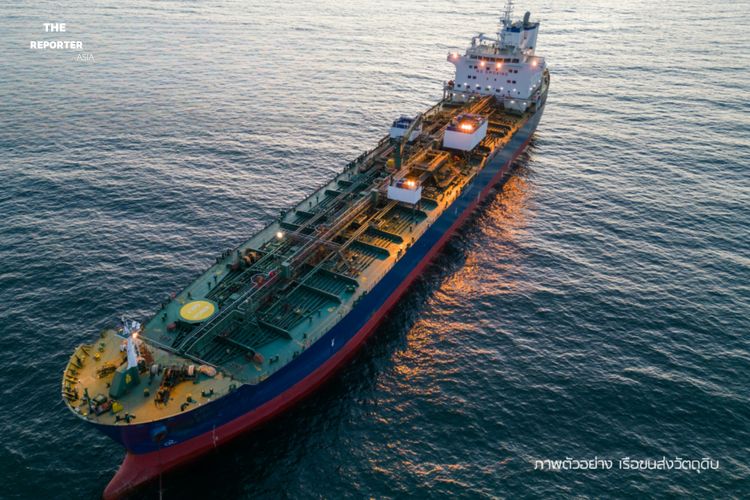
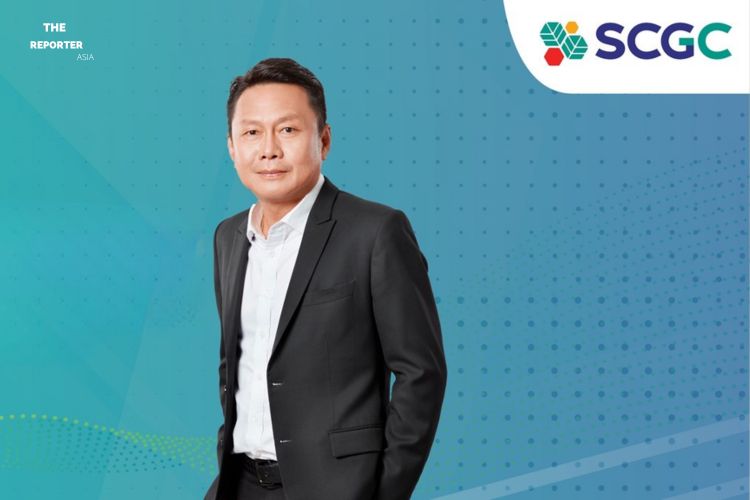
The safe transit of the vessel was not merely a matter of routine logistics but the result of intensive and coordinated diplomatic efforts. SCGC, under the leadership of Mr. Sakchai Patiparnpreechavud, CEO and President, has formally acknowledged the critical role played by the Thai administration in resolving a potential supply chain bottleneck. One of the two feedstock vessels previously delayed in the vicinity of the Strait of Hormuz has now safely cleared the area, marking a significant milestone in the company’s efforts to stabilize its production pipeline for plastic resin.
This development underscores the indispensable link between corporate resilience and state-level diplomacy in the modern era. The company has expressed its sincere appreciation to the Ministry of Foreign Affairs of Thailand, the Embassy of Iran in Thailand, and the governments of both the Islamic Republic of Iran and the Sultanate of Oman. Their invaluable assistance and strong support provided the necessary security and diplomatic clearance required for the vessel to continue its journey, illustrating the power of international cooperation in safeguarding global trade routes.
Navigating Geopolitical Bottlenecks and the Strait of Hormuz Uncertainty
The Strait of Hormuz remains the world’s most important oil transit chokepoint, and for companies like SCGC that rely on a steady flow of naphtha, it is a geographic feature of immense strategic weight. While the passage of the first vessel provides a much-needed reprieve, the situation remains far from resolved. A second vessel remains in the area, with the shipping operator currently engaged in a rigorous and ongoing assessment of the environment. The inherent sensitivity of the region means that every nautical mile is scrutinized, and safety protocols are being strictly adhered to before the vessel proceeds.
The geopolitical landscape in the Middle East is characterized by a high degree of volatility, making long-term logistical planning a complex endeavor for petrochemical giants. SCGC has voiced its hope that the Strait of Hormuz will remain open on a sustained basis, as any prolonged disruption would have cascading effects on global energy prices and raw material availability. The company’s leadership recognizes that while diplomatic successes are vital, the underlying regional tensions require a permanent state of vigilance and a readiness to adapt to rapidly changing conditions.
As conflict situations in the Middle East continue to fluctuate, SCGC is not merely waiting for the storm to pass but is actively preparing for a “new normal” in maritime logistics. The company is closely monitoring every development, utilizing real-time intelligence to inform its shipping and procurement decisions. This cautious yet proactive stance is essential for maintaining the integrity of the supply chain, as even minor delays in feedstock arrival can disrupt the finely tuned production schedules of downstream manufacturing industries.
Strategic Adjustments and the Pursuit of Supply Chain Resilience
In response to the prevailing uncertainty, SCGC is accelerating its strategic adjustments to ensure that its operations remain robust and responsive. The company is shifting its focus toward the diversification of feedstock sources, moving away from a reliance on any single geographic region. By prioritizing the procurement of raw materials from alternative global sources, SCGC aims to create a more resilient buffer against regional conflicts. This diversification strategy is a cornerstone of modern industrial risk management, allowing the company to pivot quickly when traditional routes become compromised.
Beyond procurement, SCGC is also focusing on internal optimization to maximize the efficiency of its raw material management. Every metric ton of naphtha is being utilized with surgical precision, as the company enhances its production operations to reduce waste and increase output. These internal efficiencies are designed to offset the increased costs and risks associated with global shipping. By refining its operational model, SCGC is transforming external challenges into a catalyst for technological and process-oriented innovation within its plants.
“SCGC continues to closely monitor developments and is accelerating its strategic adjustments to respond to the situation on an ongoing basis. We are prioritizing the procurement of feedstock from alternative sources, as well as maximizing the efficiency of raw material management and production operations,” stated Mr. Sakchai Patiparnpreechavud, CEO and President of SCG Chemicals (SCGC).
Safeguarding the Domestic Market and Thai Industrial Stability
The strategic pivot of SCGC has a direct and profound impact on the Thai economy, particularly the domestic plastic resin market. By securing its feedstock shipments and optimizing production, the company is working to ease the tight supply of plastic resin in Thailand. This is critical for a wide range of local industries, from food packaging and consumer goods to automotive components and medical devices. Ensuring a steady supply of these essential materials helps to stabilize prices and prevent production halts for thousands of businesses across the Kingdom.
The ripple effect of SCGC’s successful logistical maneuvers extends throughout the entire supply chain. By mitigating the impact of Middle Eastern volatility, the company provides a sense of predictability for its customers and partners. This stability is vital for maintaining the competitiveness of Thai exports on the global stage. SCGC’s commitment to the domestic market ensures that Thai manufacturers have the necessary inputs to meet their contractual obligations, thereby protecting jobs and supporting the country’s economic growth.
Ultimately, the safe passage of the feedstock shipment and SCGC’s subsequent strategic shifts highlight the company’s role as a stabilizer in the regional economy. While the path ahead remains fraught with geopolitical challenges, the synergy between corporate agility and government support provides a blueprint for navigating future crises. SCGC remains dedicated to its mission of delivering high-quality petrochemical products while continuously evolving its strategies to meet the demands of an increasingly complex and interconnected world.
#SCGC #SCGChemicals #StraitOfHormuz #Petrochemicals #ThaiEconomy #SupplyChain #Logistics #EnergySecurity #Naphtha #Diplomacy