
By transforming Thailand into a strategic logistics powerhouse, SKF’s newly inaugurated Chonburi facility sets a new benchmark for agile supply chains, shifting regional trade dynamics through advanced automation and a strict zero-emission logistics mandate.
Driving the Asia-Pacific Supply Chain Evolution
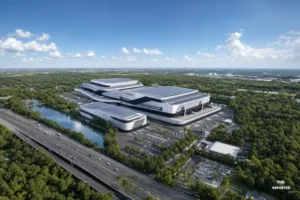
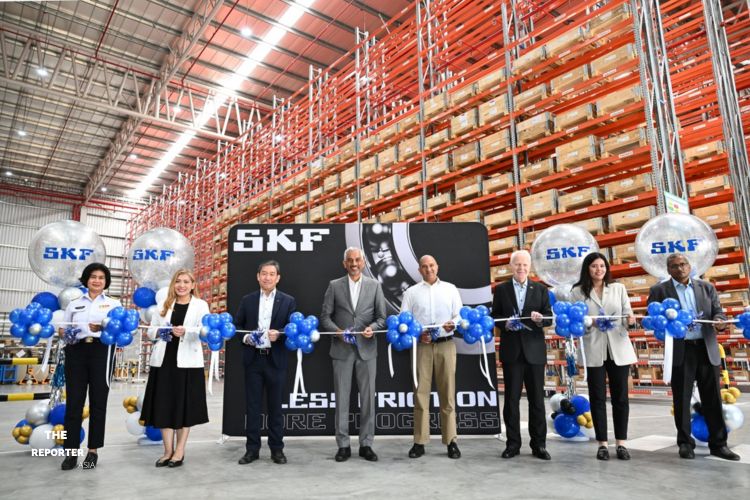
The regional industrial landscape is undergoing a massive transformation, driven by the need for unprecedented supply chain resilience and operational agility. In a decisive move to capitalize on this shifting dynamic, SKF (Thailand) Limited—a global powerhouse in bearing manufacturing originating from Sweden—has officially commissioned its new Regional Warehouse in Chonburi Province. Strategically positioned in close proximity to the internationally renowned Laem Chabang Port, this state-of-the-art facility is engineered to serve as a vital nerve center for industrial solutions across the Asia-Pacific region. The establishment of this massive logistics node directly responds to the accelerating industrial demand sweeping through neighboring markets.
This infrastructure investment solidifies Thailand’s geopolitical and economic standing as a premier regional distribution hub. By bridging critical supply chains, the facility ensures that essential engineering components and precision bearings reach major markets with significantly minimized friction. Furthermore, the move highlights the country’s capability to attract high-value industrial investments from global market leaders. This strategic deployment aligns perfectly with international corporate goals to regionalize logistics networks, ultimately fostering a more insulated and reliable manufacturing environment against global economic disruptions.
Operationally, the facility functions as the cornerstone of SKF’s ambitious “Tripod” project. This specialized strategic initiative is meticulously designed to optimize regional supply chain management by dividing operations into three powerful territorial clusters. The first cluster synchronizes operations across Singapore, Malaysia, and Indonesia; the second cluster tightly integrates Thailand, Vietnam, and the Philippines; while the third cluster expands the network’s reach toward Australia, New Zealand, and Oceania. Through this structured geographical framework, SKF is poised to deliver highly localized, yet globally backed, industrial distribution services.
Unlocking Unprecedented Operational Capacity and Scale
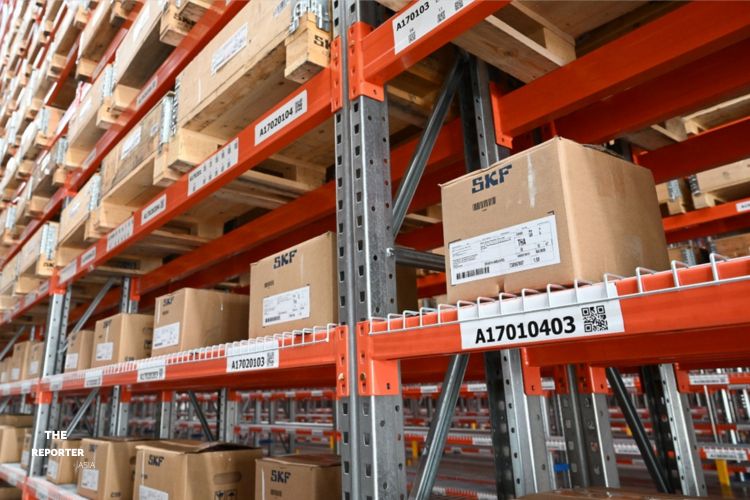
Spanning an impressive footprint of more than 5,102 square meters, the Chonburi regional warehouse is a marvel of modern industrial engineering. The facility is explicitly scaled to accommodate an extraordinary volume of container throughput, possessing the long-term structural readiness to process more than 9 million TEUs. This immense capability allows SKF to house and systematically distribute over 5,100 Stock Keeping Units (SKUs) of premium SKF bearings and advanced industrial solutions. Such massive capacity ensures that regional industrial clients enjoy immediate access to critical operational parts without experiencing traditional import delays.
To maximize spatial utility and maintain seamless day-to-day warehouse operations, the facility incorporates a highly flexible layout featuring multiple specialized storage formats. These include high-density selective racking systems for heavy-duty components, dedicated bin storage for smaller precision seals, and expansive bulk storage zones tailored for high-volume industrial assets. This multi-tiered storage architecture is fully integrated with a sophisticated digital Warehouse Management System (WMS). The WMS architecture provides management with total real-time inventory control, ultra-precise stock movement tracking, automated distribution routing, and end-to-end shipment visibility for clients.
The architectural sophistication translates directly into comprehensive, end-to-end operational capabilities that redefine traditional logistics. The facility smoothly governs the entirety of the supply chain lifecycle, including inbound receiving, optimized product putaway, automated order processing, precise picking, and secure packing. Additionally, the site hosts self-contained shipping networks, streamlined customs clearance procedures, specialized value-added services (VAS), and automated returns management workflows. This fully integrated operational ecosystem ensures that every single touchpoint remains highly efficient, entirely eliminating third-party bottlenecks.
Accelerating Projections and Volumetric Growth
The launch of the distribution center sets a highly ambitious operational trajectory for the coming fiscal periods. During its inaugural year of operation in 2026, the facility is mathematically projected to manage an influx of over 400,000 inbound units. Concurrently, the outbound logistics network is scheduled to process and execute more than 183,000 individual shipments. In terms of market allocation, approximately 75% of the total distributed inventory will remain within the borders to fuel the rapidly growing domestic Thai industrial sector. The remaining volume is earmarked for high-growth export corridors, with Vietnam absorbing 20% and the Philippines securing a 5% allocation.
“The opening of our new Regional Warehouse marks a significant milestone in strengthening SKF Thailand’s regional logistics network and enhancing our customer service capabilities,” stated Mr. Tawiwat Reongpunyaroj, Managing Director of SKF (Thailand) Limited. “The facility enables us to improve inventory management, shorten delivery lead times, and elevate the overall customer experience across the region. By building a more agile, responsive, and efficient supply chain, we are better positioned to meet growing market demand. We expect transportation volumes to increase by approximately 15% annually, while warehouse storage volumes are projected to grow by around 10% per year.”
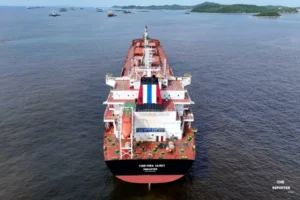
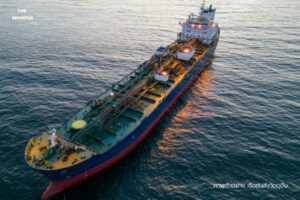
This structured logistical scaling is heavily fortified by Thailand’s comprehensive infrastructure, utilizing highly developed land and maritime transportation networks. The direct proximity to Laem Chabang Port minimizes transit windows, allowing sea freight to be processed with maximum speed. Simultaneously, the domestic highway networks allow for rapid overland transport across the Indochina peninsula. This dual-channel distribution framework effectively insulates SKF’s expanding customer base from unexpected supply disruptions, driving double-digit growth while raising the barrier of entry for competitors.
Decarbonizing the Future of Heavy Industrial Logistics
While expanding industrial capacity is a primary corporate objective, SKF has seamlessly married its rapid commercial growth with aggressive environmental stewardship. The Chonburi regional warehouse serves as a living blueprint for the future of sustainable heavy industry by implementing a strict zero-emission policy for internal movements. The facility utilizes 100% electric material handling equipment, replacing traditional internal combustion forklifts with highly efficient battery-powered units. Furthermore, all on-site and internal logistics operations are conducted using heavy-duty electric prime movers, ensuring that no fossil fuels are consumed within the facility perimeter.
This decisive shift toward clean energy infrastructure is projected to yield massive environmental dividends, directly mitigating localized industrial pollution. The transition to fully electrified logistics assets is calculated to eliminate approximately 30,000 kilograms of carbon dioxide emissions on an annual basis. This aggressive decarbonization strategy proves that corporate scaling and strict environmental preservation are no longer mutually exclusive concepts. By systematically removing carbon from the localized supply chain, SKF is setting an undeniable precedent for other global manufacturing giants operating within Southeast Asia.
Looking aggressively toward the future, SKF Thailand is already preparing to elevate its facility standards through the acquisition of formal LEED Certification (LEED v4) by the year 2027. This upcoming sustainability initiative will focus heavily on optimizing building energy efficiency, harvesting renewable energy, and enforcing highly responsible resource utilization throughout the facility’s lifecycle. This long-term commitment directly reinforces the subsidiary’s alignment with the parent SKF Group’s global Environmental, Social, and Governance (ESG) mandates. It cements the company’s status as an eco-conscious industry leader, ensuring that the regional hub remains compliant with impending international carbon accounting standards.
Paving the Way for Smart Regional Industrial Ecosystems
The strategic activation of this regional hub underscores SKF’s broader evolution from a traditional manufacturing entity into an elite provider of total industrial solutions. Since its founding in 1907, the corporation has built an international reputation on friction-reduction technologies, developing advanced bearings, specialized seals, computerized condition monitoring systems, and lubrication frameworks. By systematically reducing mechanical friction across global machinery, the company directly enables modern industries to conserve energy, enhance operational efficiency, and build a highly sustainable global manufacturing ecosystem.
With an active commercial presence spanning approximately 130 countries and a network of over 17,000 distributor locations worldwide, SKF’s global footprint remains unmatched. The company’s robust economic health is reflected in its audited 2025 financial results, which recorded annual sales of SEK 91,583 million, powered by a dedicated global workforce of 37,271 employees. The newly established Chonburi warehouse draws directly upon this deep reservoir of global technical expertise and financial stability. It effectively imports world-class operational standards into the heart of the ASEAN trade zone.
Ultimately, this capital investment elevates the entire macroeconomic profile of Thailand, positioning the nation as an indispensable, innovation-driven logistics powerhouse within the Asia-Pacific region. By integrating cutting-edge warehouse automation, eco-friendly infrastructure, and highly strategic trade routes, the facility is perfectly tailored to handle the next generation of industrial expansion. As regional trade volumes continue to climb, this sustainable logistics node will undoubtedly serve as a critical catalyst, proving that operational excellence and environmental mindfulness can harmoniously co-exist.
#SKFThailand #LogisticsHub #AsiaPacificSupplyChain #SustainableIndustry #GreenLogistics #WarehouseAutomation #IndustrialSolutions #ChonburiInvestment #ESG #SmartManufacturing