
The landscape of Thai retail in 2025 was marked by an unprecedented series of “black swan” events that tested the mettle of even the most established domestic brands. From the physical disruptions of earthquakes and devastating floods to the shifting geopolitical and economic tides of border conflicts and fluctuating tourism numbers, the environment was anything but stable.
However, George Hartel, the Chief Commercial and Development Officer of GQ, describes a year that was not defined by these setbacks but by a relentless commitment to a three-pillared philosophy: being focused, determined, and innovative. This resilience has allowed GQ to not only survive but to thrive, surpassing internal targets and reaching millions of new consumers while setting a new benchmark for how a “tech apparel” brand should operate in a volatile market.
GQ’s performance in 2025 serves as a masterclass in navigating a “perfect storm” of regional challenges. While many competitors retreated or scaled back operations due to tariffs and the tourism drop, GQ leaned into its core strategy of bringing problem-solving innovation to the market. By maintaining a strong presence across both offline and online channels, the brand secured a market-leading position in the innovation apparel sector.
This growth is particularly notable as it aligns with global shifts where legacy retail is being replaced by agile, tech-forward brands that prioritize utility over fleeting fashion trends. Hartel emphasizes that the business performance remained tightly aligned with their goals, proving that a clear vision can act as a shield against external economic turbulence.
Looking ahead, GQ’s trajectory offers a compelling narrative for international observers and potential partners. The brand’s ability to maintain momentum amidst domestic instability mirrors the success of global “resilient retail” leaders who leverage deep consumer insights to drive growth. For foreign investors and technology partners, GQ represents a stable and high-growth gateway into the Southeast Asian market, demonstrating that a focus on human-centric problems—rather than just market conditions—creates a sustainable competitive advantage. As the company moves into 2026, it carries the weight of its 2025 victories as a foundation for even more aggressive expansion and technological integration.
The Evolution of Hero Products and Hyper-Relevant Design
In the modern apparel industry, the era of “one-size-fits-all” marketing has officially come to an end, replaced by a demand for extreme personalization and functional relevance. GQ identified this shift early in 2025, pivoting away from broad, generic benefits toward solutions that address the specific “pain points” of clearly defined consumer communities.
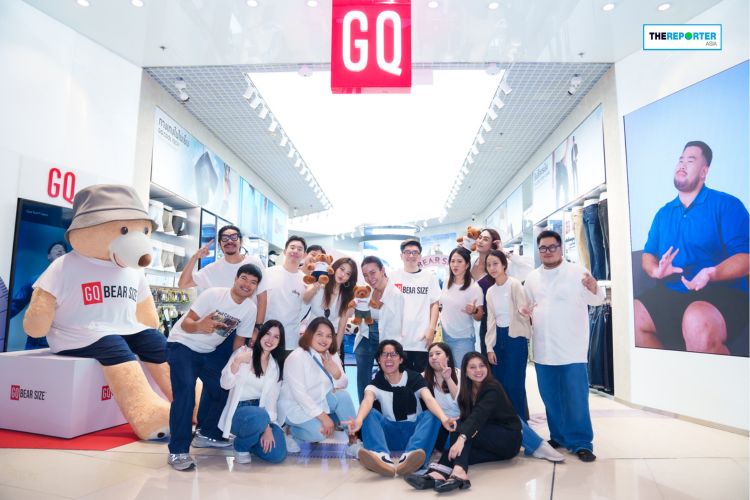
The emergence of GQ ProMed Scrubs as a primary revenue driver is a testament to this strategy, as the product was designed with the rigorous functional needs of medical professionals at its core. This was complemented by the continued success of the GQ Bear Size collection, which specifically serves the plus-size male demographic—a segment that has historically been underserved by mainstream fashion brands.
This focus on “niche excellence” is a direct response to a fundamental change in Thai consumer behavior observed throughout 2025. Consumers no longer just want a product; they expect brands to understand their specific lifestyles and daily challenges. This led GQ to adopt a process of “sharper intent,” where feature development is driven by deep research and purpose-built functionality rather than aesthetic whims. By building on the foundations of earlier successes like the GQWhite shirts, GQ Perfect Pants, and Cool Tech cooling underwear, the brand has created an ecosystem of products that consumers rely on for their specific performance characteristics.
Globally, this move toward “community-centric” product development is a major trend in high-performance apparel. By treating clothing as a functional tool rather than just a garment, GQ is aligning itself with international leaders in the “athleisure” and “workwear” tech spaces.
This approach creates significant opportunities for global textile innovators and R&D firms to partner with GQ, as the brand is constantly seeking new technologies that can be adapted to solve everyday problems for Thai consumers. The success of the 2025 hero products proves that when a brand solves a real problem, it doesn’t just sell a product—it gains a loyal follower who feels understood by the brand.
Strategic Vision 2026: Double-Digit Growth and Solving the Unspoken
As GQ enters 2026, the company’s core strategy remains rooted in the “unexpected surprise,” a philosophy that keeps the market engaged and competitors guessing. While specific numeric targets remain confidential, Hartel expresses high confidence in achieving double-digit growth across both offline and online platforms, with the goal of outgrowing both the Thai market and its immediate peers. This ambition is backed by a clear brand positioning: GQ is not a fashion company, but the market-leading tech apparel and innovation brand. The roadmap for the coming year involves deeper market penetration, aiming to convert first-time users into lifelong customers through the sheer quality and utility of the products.
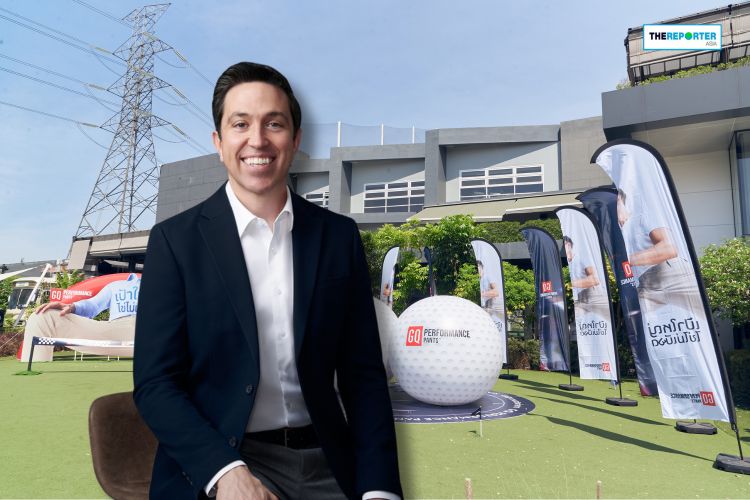
A major highlight for the 2026 pipeline is the recent launch of the GQ Performance Pants, which addresses a common but rarely discussed issue in men’s apparel: physical discomfort in the groin area. After spending over a year studying the “wedgie” phenomenon and the constant need for adjustment that men face during long meetings or office hours, the GQ team engineered a solution that provides ultimate freedom of movement. The success of the launch event at Top Golf, featuring top influencers and Key Opinion Leaders (KOLs), signals that there is a massive, untapped market for apparel that prioritizes physical comfort and social confidence over traditional styling.
This “problem-first” innovation pipeline is what distinguishes GQ from the “hot today, gone tomorrow” nature of many fashion trends. For international business partners, GQ’s 2026 roadmap offers a blueprint for how to dominate a regional market through localized innovation. The company’s ability to pivot and learn in real-time allows it to seize opportunities that more rigid, traditional retailers miss. By focusing on the “unspoken” problems of the consumer, GQ is creating a new category of “essential tech” that transcends the cyclical nature of the fashion industry and builds a more stable economic foundation for the brand.
Mastering the Omnichannel Journey and Data-Driven Loyalty
The Thai consumer of 2026 is more sophisticated and “channel agnostic” than ever before, a trend that GQ has spent the last year meticulously documenting and acting upon. Research shows that the customer journey often begins with digital discovery on platforms like TikTok or Meta but may conclude in a physical store or on a digital marketplace depending on the immediate situation and needs. This necessitates a “harmony” between all sales channels, where the offline experience must be prepared to meet customers who enter the store more knowledgeable about product specs than ever before. GQ’s response has been to integrate these touchpoints into a seamless brand experience that prioritizes convenience and information accuracy.
Central to this seamless experience is the newly enhanced CRM program, the GQ Member Club. This loyalty ecosystem allows consumers to gain points and credits regardless of where they shop, bridging the gap between a click on a screen and a walk-in at a mall. Beyond simple point accumulation, the club offers lucky draws, prizes, and exclusive early access to the latest innovations for VIP members. This data-driven approach not only drives repeat purchases but also provides GQ with a direct line of communication to its most engaged users, allowing for even more refined product development based on real-world usage patterns.
From a global economic perspective, GQ’s mastery of the omnichannel model reflects the gold standard of modern retail. As Thailand continues to digitize, the ability to track and influence a consumer across multiple platforms is a critical skill for any brand looking to maintain market leadership. International tech firms specializing in CRM, data analytics, and “phygital” (physical plus digital) retail solutions will find a sophisticated and ready partner in GQ. The brand’s focus on building a winning team that can execute this complex strategy is what Hartel cites as their ultimate competitive advantage—a shield against the volatility of global news cycles and shifting trends.
“We are not a fashion business, so we focus on insights to solve problems, and we know and have proven now when we do that, consumers will reward us with their loyalty.” – George Hartel, the Chief Commercial and Development Officer of GQ
Sustainability Through Longevity: An Anti-Fast Fashion Stance
In an industry often criticized for its environmental impact, GQ is taking a different approach to sustainability by focusing on the “DNA” of quality and longevity. For nearly 60 years, the brand has operated on the principle that products should be built to last, a philosophy that stands in direct opposition to the “disposable” nature of fast fashion. By ensuring that a GQ shirt or pair of pants can withstand “hard washing,” resist piling, and maintain anti-wrinkle properties over years of use, the company naturally reduces waste. This commitment to quality is presented as a “promise to the environment, to Thailand, and the world”.
The technical specifications of GQ products are designed to meet the extreme challenges of daily life, whether it is stain-resistant scrubs in a high-pressure emergency room or performance pants that retain their shape through a long commute. This focus on durability is not just a marketing slogan but a tangible, innovation-driven solution to environmental responsibility. By creating products that stay in use longer, GQ effectively lowers the per-wear carbon footprint of its garments, appealing to a growing demographic of eco-conscious consumers who are wary of the environmental costs of cheap, short-lived apparel.
This stance on sustainability through quality aligns GQ with global ESG (Environmental, Social, and Governance) standards, making the brand an attractive prospect for international partners who prioritize ethical and sustainable business practices. As global regulations on textile waste become stricter, GQ’s “built-to-last” model provides a sustainable path forward that does not sacrifice profitability. The company’s invitation for consumers to share their “apparel problems” directly with the leadership—including George Hartel himself—further emphasizes their dedication to continuous improvement and long-term value creation for the Thai market and beyond.
#GQThailand #RetailInnovation #TechApparel #BusinessStrategy #Sustainability #Omnichannel #ThaiEconomy2026 #Innovation