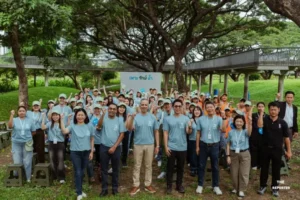


In an era where digital inclusion dictates economic survival, the convergence of telecommunications infrastructure and clean energy is emerging as a primary catalyst for rural development across Thailand. The integration of high-speed connectivity with sustainable power frameworks not only bridges the deep-seated digital divide but also establishes a self-sustaining foundation for economic mobility in historically marginalized areas. By transitioning remote regions from disconnected spaces into active participants in the modern digital marketplace, industrial leaders are demonstrating that infrastructure investments can yield quantifiable socio-economic returns far beyond traditional corporate expectations.
Quantifying Social Returns Through Strategic Digital Investments
The latest empirical evaluation of the “Green Energy Green Network for THAIs” initiative reveals a substantial correlation between targeted technological investments and rural economic growth. Unveiled at the Thailand Research Expo 2026, which was organized by the National Research Council of Thailand (NRCT) under the Ministry of Higher Education, Science, Research and Innovation (MHESI), the comprehensive Social Return on Investment (SROI) study provides a transparent, data-driven look into modern corporate social responsibility. The research demonstrates how capital allocated toward digital infrastructure can be systematically measured to reflect actual quality-of-life improvements and economic empowerment within underserved populations.
According to the audited research findings, the joint initiative generated a total social impact value of THB 33.88 million from an initial investment of THB 24.89 million. This financial outcome represents a calculated social return of 1.36 times the original capital expenditure, proving that sustainable development projects can deliver clear, measurable socio-economic value. The project relies on a collaborative framework combining the distinct capabilities of Advanced Info Service Public Company Limited (AIS), Gulf Development Public Company Limited (GULF), and the Highland Research and Development Institute (Public Organization) (HRDI).
By deploying solar-powered telecommunications base stations directly into remote topographies, this partnership successfully addresses the critical absence of basic energy and communication systems. The strategic deployment transforms these isolated regions by building what project organizers call an “Infrastructure of Opportunity”. Through continuous SROI monitoring, the participating organizations ensure that empirical data directly informs their long-term development strategies and future capital allocations.
Transforming Remote Economies Through Digital Commerce and Tourism
The socio-economic impact of this infrastructure project is distributed across eight distinct rural communities located throughout five northern provinces, specifically Chiang Mai, Chiang Rai, Mae Hong Son, Lamphun, and Tak. The network expansion currently benefits more than 3,520 residents across 918 households, providing them with reliable, consistent access to the broader digital economy. By establishing stable connectivity, the initiative helps rural populations overcome geographic isolation, allowing them to participate in commercial activities that were previously out of reach.
A clear example of this digital transformation can be seen in the Ban Mae Khong community, located in the mountainous terrain of Chiang Mai Province. With the introduction of reliable mobile network coverage, local residents successfully utilized online platforms to market and promote the Huai Nam Yen Waterfall. This community-led digital marketing effort transformed the local site into a popular eco-tourism destination, generating more than THB 2.5 million in localized economic value within just a few months.
Similarly, residents of the Mokopoki community in Tak Province have used this digital connectivity to transform their traditional agricultural practices. By utilizing online marketplaces and digital communication tools, local farmers now market and sell their agricultural products directly to urban consumers. This direct-to-consumer model establishes new income streams and eliminates reliance on intermediary brokers, demonstrating how access to technology helps rural communities overcome geographic barriers.
Elevating Public Welfare and Community Safety via Clean Connectivity
Beyond generating direct economic returns, the presence of stable, solar-powered digital infrastructure has led to notable improvements in essential social services. Remote populations in the target provinces can now access modern e-learning platforms and digital libraries, allowing local students to access educational materials comparable to urban institutions. This access helps close the educational achievement gap between urban centers and rural highlands, ensuring that remote youth can build essential digital literacy skills.
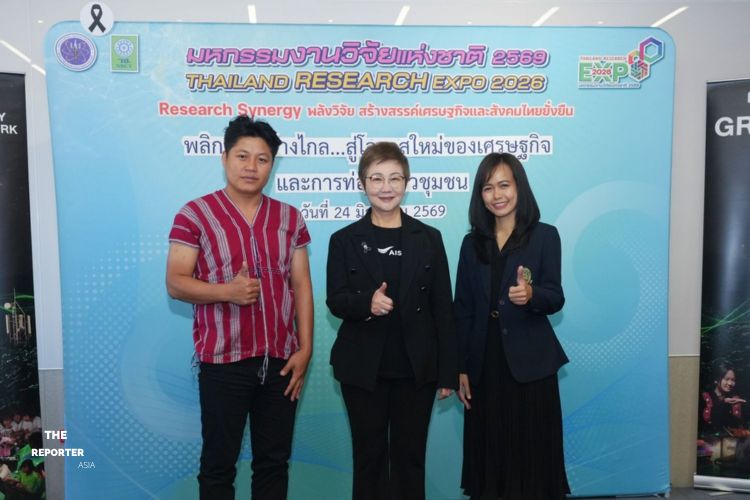
The specialized telecommunications network has also significantly enhanced regional public health systems. Local residents can now access telemedicine services, allowing them to consult distant medical specialists without traveling long distances over difficult terrain. Furthermore, the network provides reliable connectivity for emergency medical referrals and disaster communication, ensuring that critical patient data can be sent to regional hospitals quickly during medical emergencies.
Public safety and environmental protection frameworks have also improved due to the expanded network coverage. The connected base stations allow local authorities and community leaders to operate real-time wildfire monitoring systems and distribute rapid disaster alerts. These expanded capabilities protect rural communities from seasonal environmental hazards while protecting the natural ecosystems that support local eco-tourism and agricultural economies.
Engineering the Future of Intelligent Environmental Infrastructure
Looking forward, the participating organizations plan to expand the capabilities of this telecommunications infrastructure beyond basic communication. AIS is currently designing new methodologies to maximize the utility of its remote mobile network towers by transforming them into multi-purpose environmental monitoring hubs. This technical expansion aims to turn standard communication assets into crucial tools for climate resilience and environmental management.
Future phases of the project involve integrating advanced technologies directly into the existing tower network. Planned upgrades include AI-powered wildfire detection systems, real-time environmental anomaly alerts, and automated meteorological monitoring equipment. These integrated systems will allow regional operations to monitor weather conditions, track PM2.5 particulate dispersion, and evaluate drought risks with high accuracy, giving local communities actionable data for disaster preparedness.
Ms. Saichon Submakudom, Chief Corporate Communication Officer at AIS, emphasized the deeper societal meaning behind these technological initiatives:
“The findings do not merely reflect a social return figure; they demonstrate how investments in digital infrastructure and clean energy can create meaningful change in people’s lives—from improving access to education and healthcare to creating economic opportunities and strengthening community resilience. For AIS, success is not measured solely by the reach of a network signal. It is measured by the opportunities created, the lives improved, and the brighter futures made possible. When everyone has equal access to opportunities, that is where sustainable national development truly begins.”
By focusing on long-term cross-sector collaboration and data-driven development, this initiative provides a clear framework for sustainable national progress.
#AIS #GreenEnergy #DigitalInfrastructure #SROI #SustainableDevelopment #ThailandEconomy #TechForGood #EcoTourism #RuralEmpowerment