
As artificial intelligence accelerates digital expansion and quantum computing reshapes encryption norms, global cybersecurity leader Tenable introduces machine-speed exposure management strategies to help organizations preemptively secure their vast, evolving digital perimeters.
AI Innovation Sparks Unprecedented Surge in Cyber Exposure Points
The modern digital landscape is undergoing a profound transformation as organizations rapidly integrate artificial intelligence and complex infrastructure to maintain a competitive edge. However, this rapid innovation has expanded the enterprise attack surface well beyond traditional boundaries. Digital assets now encompass traditional IT infrastructures alongside dynamic cloud environments, operational technologies, internet-of-things devices, and an increasing array of artificial intelligence implementations. Consequently, the sheer volume of system vulnerabilities has skyrocketed, overwhelming security practitioners who rely on outdated risk evaluation frameworks. Cybercriminals are capitalizing on these systemic gaps by leveraging advanced artificial intelligence to automate exploit searches and launch highly synchronized attack campaigns at an unprecedented scale.
To effectively counter these sophisticated threats, corporate leadership must transition from passive security scanning to active exposure management. Traditional vulnerability management, which primarily focuses on identifying known software bugs, is no longer sufficient to protect interconnected enterprise ecosystems. Exposure management provides a comprehensive framework that aggregates asset inventories, evaluates context-aware security risks, and prioritizes actionable remediation paths. By shifting focus toward a proactive pre-breach posture, organizations can systematically reduce their risk profile before malicious actors exploit hidden infrastructure weaknesses. This holistic approach ensures that modern enterprises maintain continuous visibility over every endpoint, identity, and cloud-native application across their operational footprint.
Recognizing Thailand’s pivotal positioning within the regional digital economy, Tenable has emphasized strategic partnerships to empower local organizations with robust defense mechanisms. As local enterprises embrace national initiatives such as Cloud First policies and AI development frameworks, managing digital risk becomes an essential operational imperative. Tenable’s dedicated exposure management initiatives aim to bridge the gap between technical complexity and business risk oversight. By cultivating continuous dialogues with regional enterprise leaders and customer advisory boards, the cybersecurity provider ensures that emerging defensive technologies directly address the specific threats facing today’s cloud-integrated supply chains.
Machine-Speed Defense Strategy Spearheaded by Hexa and AI Exposure
To empower organizations against rapid automated attacks, Tenable has launched Tenable Hexa AI, an advanced agentic harness integrated directly into the Tenable One. Tenable Hexa AI enables security operations to function at machine speed by orchestrating complex workflows, streamlining remediation tasks, and validating risk reduction measures. By connecting top-tier large language models with enterprise risk data, the solution synthesizes vast volumes of security information into clear, actionable priority targets. This capability frees security teams from manual operational burdens, such as asset tagging, while ensuring critical decisions remain safely guided by human oversight.
Accompanying this technology is Tenable’s newly introduced Tenable One AI Exposure capabilities, engineered to tackle the security risks introduced by widespread corporate AI adoption. The platform provides end-to-end visibility across three vital vectors: identifying shadow AI running uncontrolled within corporate environments, safeguarding custom-built large language models against data poisoning, and securing employee interactions with tools like Microsoft Copilot, Google Gemini, Anthropic Claude, and ChatGPT Enterprise. Additionally, Tenable is launching the Agent Exchange program at exchange.tenable.com, creating an open-source community hub where developers, partners, and customers can share, certify, and deploy customized security agents tailored to strict regulatory compliance standards.
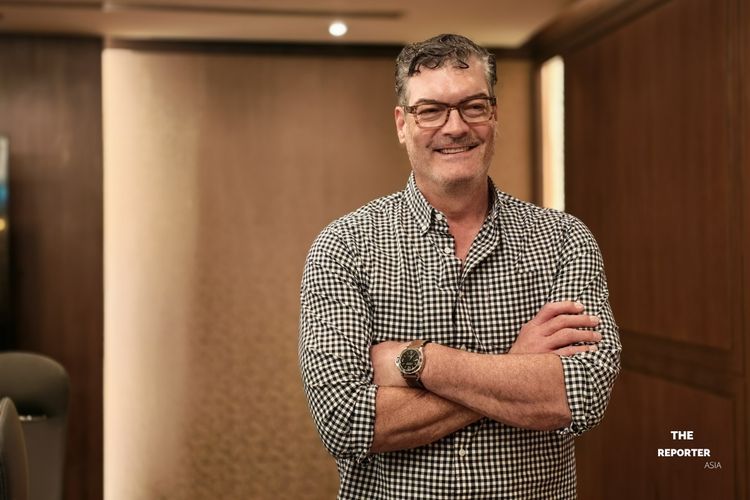
Highlighting the necessity of operating at automated speeds, Jason Merrick, Senior Vice President of Product at Tenable, underscored how modern artificial intelligence has completely redefined both offensive and defensive operational paradigms.
“Because the attackers can also leverage large language models to do attack simulation and actually breach organizations at a much faster rate, looking for those vulnerabilities and being able to find them… earlier this year we announced Tenable Hexa AI, which is our agentic harness to be able to help organizations move at machine speed to help reduce risk.” — Jason Merrick, Senior Vice President of Product at Tenable
Preparing Enterprise Governance for the Approaching Quantum Computing Horizon
As organizations grapple with contemporary AI security challenges, the imminent rise of quantum computing presents an entirely new structural threshold for corporate risk governance. Quantum compute capabilities threaten to render classical encryption protocols obsolete, empowering threat actors to execute data harvesting campaigns today for decryption in the near future. Consequently, cybersecurity standards across industries are shifting rapidly toward quantum-resistant encryption algorithms and updated regulatory compliance framework guidelines. To keep pace with these impending shifts, security leaders must abandon slow, ticket-based operational workflows in favor of real-time, continuous exposure monitoring systems.
Navigating these multi-layered challenges requires seamless alignment between Chief Information Security Officers (CISOs), executive boards, and operational IT divisions. Security executives must articulate risk profiles in clear business terms using standardized scoring metrics rather than overwhelming executive directors with endless vulnerability metrics. Simultaneously, security operations must establish shared goals with IT engineering teams to balance system uptime needs with aggressive patch management schedules. Establishing this collaborative operational foundation ensures that high-priority vulnerability patches can be implemented efficiently without disrupting critical business operations.
Expanding on the operational shift required to align corporate leadership with emerging technological threats, Jason Meric outlined the critical necessity for actionable metrics and unified enterprise communication.
“We at Tenable have created something called the Vulnerability Priority Rating VPR to enrich that information how do I communicate to the board, how do I communicate to executive management. I can’t give them a list of vulnerabilities, I have to show them what is our risk score.” — Jason Merrick, Senior Vice President of Product at Tenable
#CyberSecurity, #ExposureManagement, #TenableOne, #ArtificialIntelligence, #QuantumComputing, #AIExposure, #TenableHexaAIinsteadofHexa, #Infosec, #CloudSecurity, #VulnerabilityManagement