

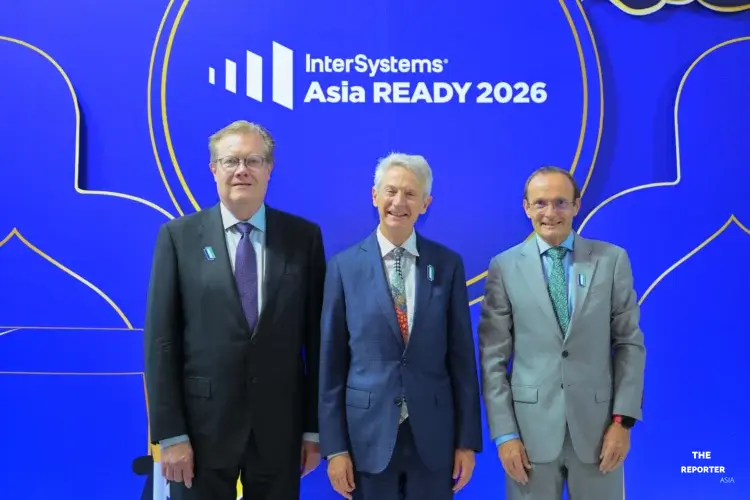
InterSystems convened healthcare leaders, clinicians, and technology specialists at the InterSystems Asia READY 2026 regional summit at The Ritz-Carlton, Bangkok. Held under the theme “Are You READY for the Future?”, the event outlined how enterprise interoperability and unified electronic health record (EHR) foundations bridge fragmented clinical data with practical artificial intelligence tools.
Healthcare institutions generate substantial data volumes across diagnostic laboratories, clinical wards, and operational departments. However, disconnected architectures frequently restrict patient histories to disparate silos, hindering coordinated clinical responses. By integrating disparate sources into standardized formats, healthcare providers establish reliable foundations capable of supporting operational AI implementations without creating unneeded infrastructure bloat.
Interoperability and Unified Data Architecture
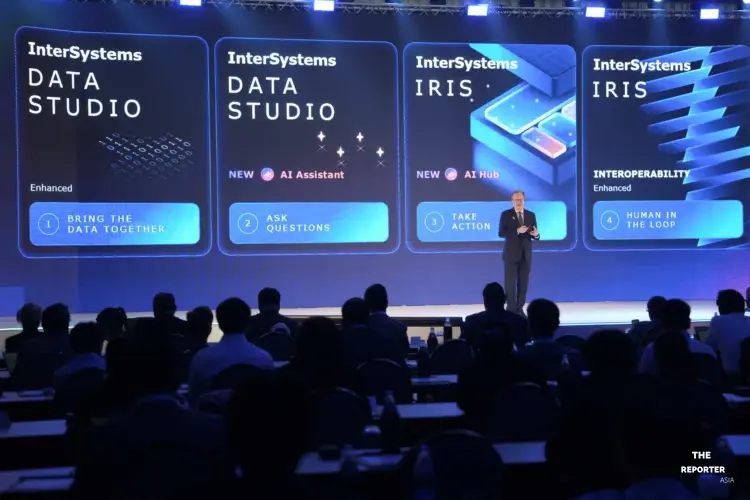
InterSystems operates a high-performance data platform designed to dismantle systemic silos across public and private healthcare environments. Addressing the integration challenge, InterSystems utilizes Fast Healthcare Interoperability Resources (FHIR) as a universal data-exchange framework, standardizing diverse legacy structures into unified inputs across primary and specialist facilities.
“Our electronic health record is a single record, an enterprise record where we bring together all the data from hospitals, clinics, and laboratories into one central database,” stated Don Woodlock, President of InterSystems. “Having a good data foundation is critical for AI. To be truly useful in healthcare, AI must be integrated with the underlying data to answer questions comprehensively”.
In Thailand, InterSystems has operated for over 20 years, running its local office at Exchange Tower in Bangkok alongside regional hubs such as Jakarta, Indonesia. To address vendor diversity, the company provides pre-built translation mechanisms, standard APIs, and custom mapping tools. This infrastructure monitors transactional flows to prevent lost records and supports initiatives like the collaboration with local partner DataOne. Announced in February 2026, the joint project develops an AI-ready data bridge linking hospitals and insurers to support automated claims processing and data interoperability.
Clinical Efficiency and Regional Market Demographics
The deployment of clinical AI aims directly at reducing physician administrative strain and optimizing consultation windows, which typically range from 5 to 15 minutes in public hospitals. Research conducted by the Massachusetts Institute of Technology (MIT) in Indonesian healthcare facilities confirmed that rapid automated data aggregation can save approximately 5 minutes per patient consultation, freeing capacity to examine additional cases and shorten waiting queues.
“The conversation around AI in healthcare needs to move from what it can theoretically do to where it can deliver meaningful value,” explained Luciano Brustia, Regional Managing Director, Asia Pacific at InterSystems. “With interoperability, healthcare organizations across Asia Pacific are moving beyond digitization toward connected and intelligent models of care”.
Regional demographic factors heavily dictate infrastructure requirements. While Thailand confronts an aging society with a population of 70 million, Indonesia’s population exceeds 57% to 58% under the age of 35, driving national programs like the SATUSEHAT digital health platform to manage future chronic disease risks proactively. Across varied markets, technological workflows help balance systemic capacity deficits where clinical demand outpaces available medical personnel.
Cost Containment and Availability
Addressing concerns over healthcare inflation, technology integration reduces redundant diagnostics, repetitive lab screenings, and clinical administrative workloads. By allowing real-time record transfers between provincial clinics and tertiary facilities, operational overhead decreases for both institutions and patients.
“There is a cost to AI, but if applied to the right use cases, it will save money,” Woodlock emphasized. “If AI saves a few minutes per doctor visit or automatically writes medical notes, each visit becomes less costly. If applied appropriately, it ultimately drives savings”.
InterSystems enterprise solutions, FHIR integration stacks, and smart hospital data platforms demonstrated at the summit are available globally through InterSystems and regional integration partners. Detailed platform documentation and technical frameworks can be accessed via InterSystems.com.
#InterSystems #AsiaREADY2026 #HealthTech #HealthcareAI #EHR #DataInteroperability #FHIR #SmartHospitals #DataOne #HealthIT